Homesteading is more than just a lifestyle choice; it’s a commitment to self-sufficiency, sustainability, and harmony with nature. Whether you’re dreaming of a rural farmstead or a small backyard garden, understanding the core principles of homesteading can help you create a thriving, resilient home. Here, we explore the six pillars of homesteading that form the foundation of this rewarding way of life.
1. Food Production
At the heart of homesteading is growing your own food, a practice that connects you directly to the land and the rhythms of the seasons. Food production on a homestead goes far beyond planting a few vegetables; it’s a comprehensive system that includes gardening, raising livestock, and preserving harvests to provide nourishment year-round. Whether you’re tending a large rural plot or maximizing a small backyard, producing your own food builds confidence, resilience, and food security.
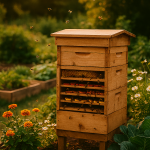
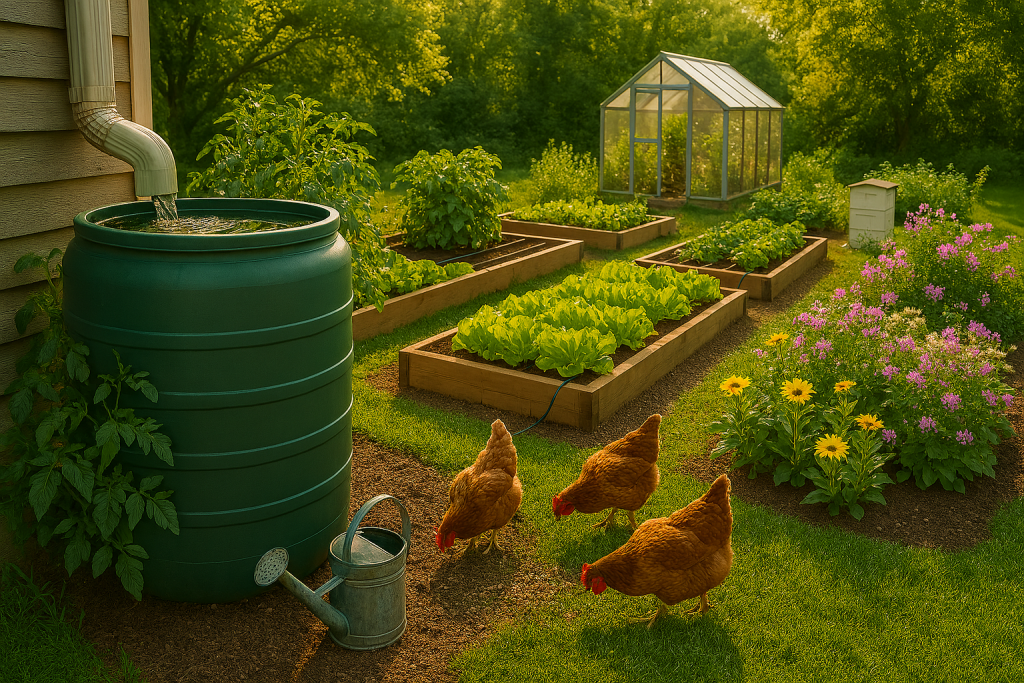
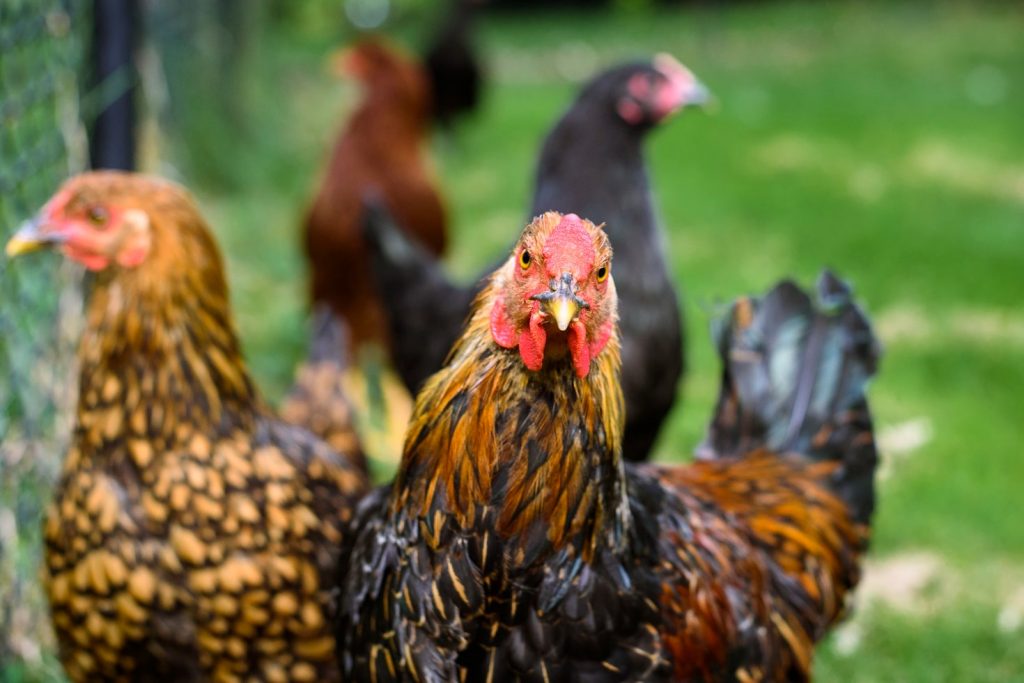
Vegetable gardens and fruit trees form the backbone of most homesteads, supplying fresh produce that is often healthier and more flavorful than store-bought options. Many homesteaders also raise animals such as chickens for eggs and meat, goats for milk, or bees for honey and pollination. These animals contribute not only food, but also fertilizer and pest control, creating a more balanced and sustainable ecosystem.
Preserving the harvest is just as important as growing it. Skills like canning, dehydrating, fermenting, and freezing allow you to enjoy homegrown food long after the growing season ends. This reduces food waste, saves money, and ensures access to wholesome meals even during winter or supply disruptions.
Successful food production relies on learning and applying time-tested techniques. Crop rotation helps maintain soil fertility and prevents disease, while companion planting improves yields and naturally deters pests. Organic pest control methods—such as beneficial insects, physical barriers, and natural treatments—protect crops without harmful chemicals. Over time, these practices work together to create a productive, self-sustaining food system that supports both your family and the land for years to come.
Food Production: Grow, Raise, Preserve Why it matters Food is the heartbeat of homesteading. Growing some of your own food reduces grocery costs, improves food security, and gives you bragging rights when your neighbor’s tomatoes are still green in October.
Practical steps
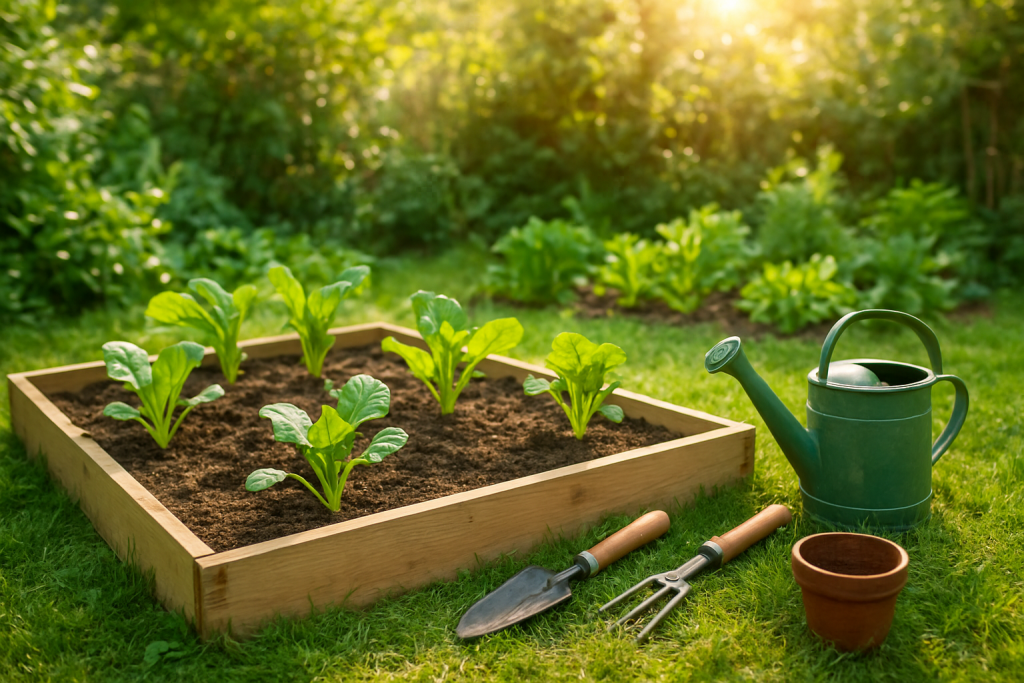
- Start small: a few tomato plants in containers or a raised bed beats a 500-square-foot plot that becomes a swamp.
- Rotate crops and learn companion planting — marigolds aren’t just pretty, they’re petty little pest bouncers.
- Consider a few chickens for eggs or a rabbit if you’re conserving space.
The Tomato Redemption On my first summer, I planted 12 heirloom tomato plants with dreams of sauce jars stacked like trophies. Then I forgot to rotate my attention between them and my life. By August, a parade of blight marched through the garden. Enter Mrs. Morales, the neighbor, who abandoned her pity stew and taught me how to prune, feed, and actually water on time. Two months later, jars of sauce did appear — not from the tomatoes I’d loved most, but from the volunteers that showed up in the compost pile. Nature has a sense of humor and a generosity streak if you pay attention.
Backyard vs. Rural Homestead: Food Production
Backyard Homestead
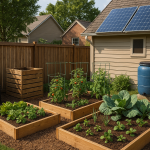
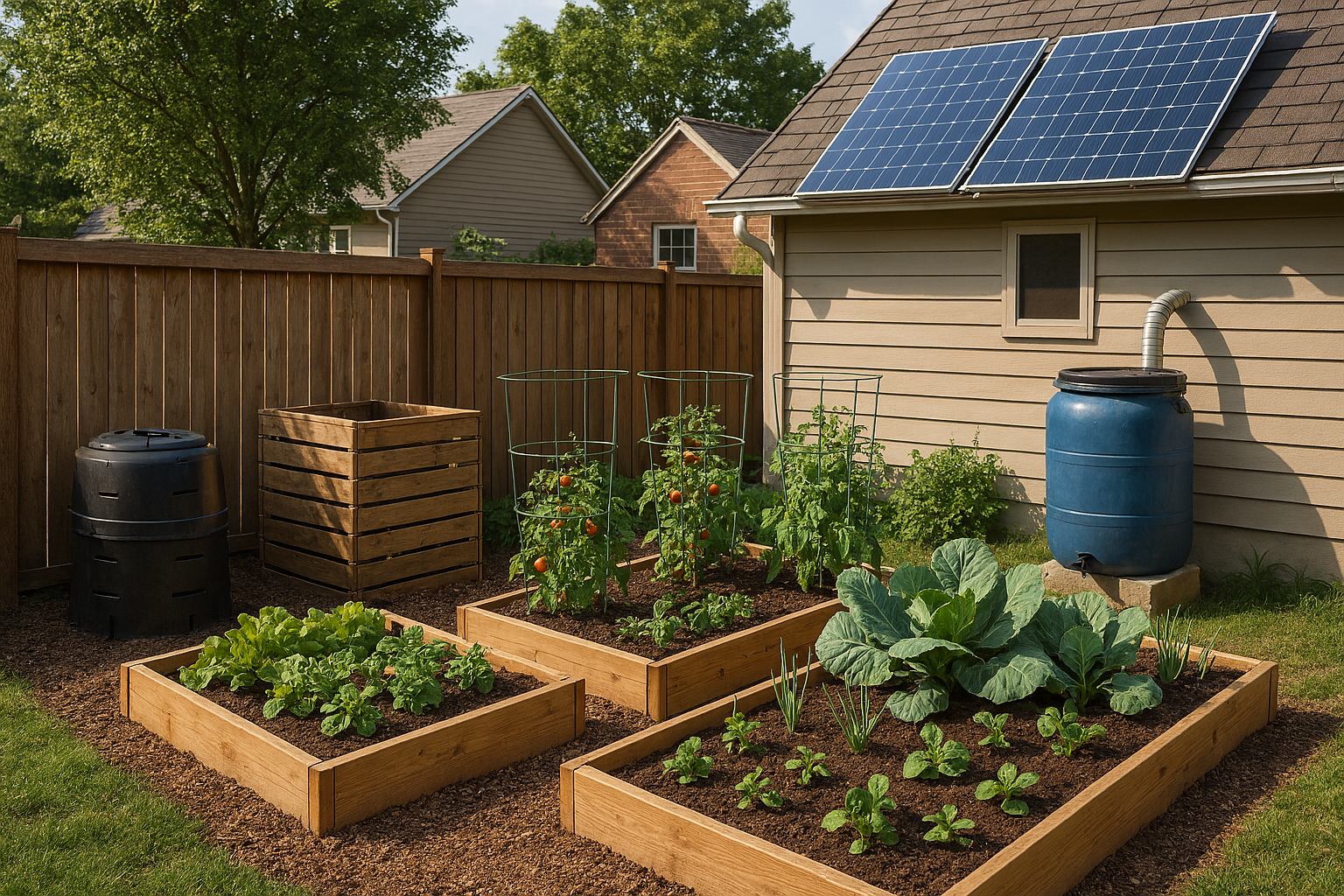
Food production in a backyard setting focuses on efficiency and smart use of space. Raised beds, container gardening, vertical growing, and small fruit trees make it possible to grow a surprising amount of food in limited areas. Chickens for eggs and composting are often the most practical livestock options, while herbs and salad greens provide quick, high-yield harvests.
Rural Homestead
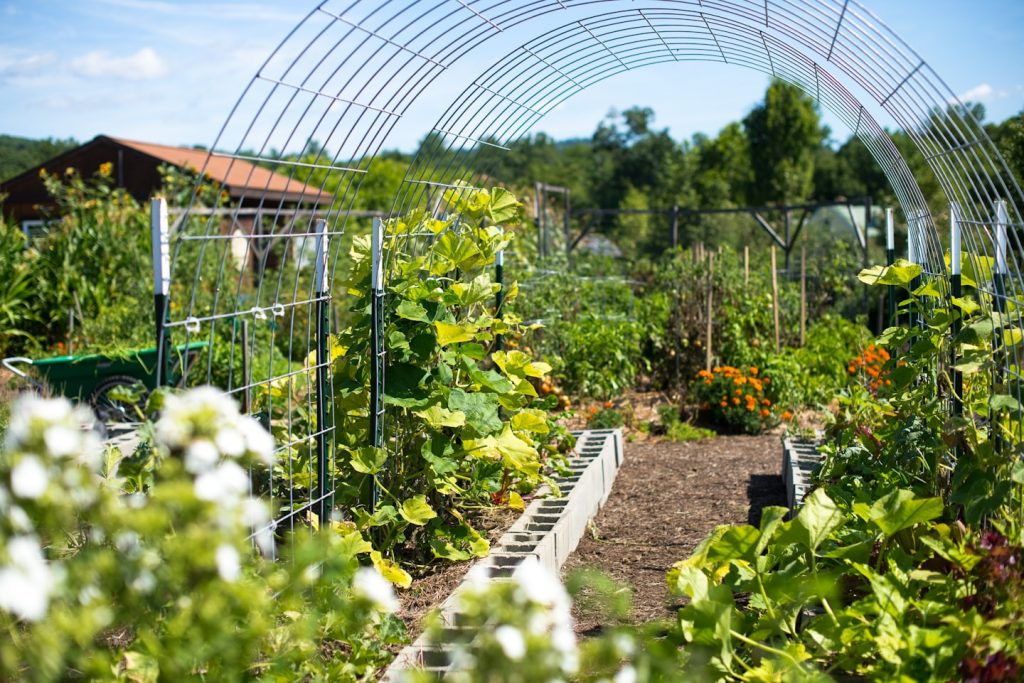
Rural homesteads allow for larger-scale food production with in-ground gardens, orchards, and livestock such as goats or cattle. Bees, extensive compost systems, and rotational grazing help improve soil health and long-term productivity. Larger harvests often support bulk food preservation and year-round self-sufficiency.
The Common Ground
Regardless of space, the goal is the same: grow what you can, raise what makes sense, and preserve the harvest. Homesteading success is built on planning, soil health, and learning—not acreage.
Backyard Homestead: Backyard food production focuses on efficiency and smart use of space. Raised beds, containers, vertical growing, and small fruit trees allow homesteaders to grow meaningful amounts of food in limited areas. Chickens, composting, and fast-growing crops like herbs and greens are common choices.
Rural Homestead: Rural homesteads support larger gardens, orchards, and livestock such as goats or cattle. Bees, rotational grazing, and larger compost systems help build soil health and increase yields. Larger harvests often support long-term food storage and preservation.
The Common Ground: Regardless of size, successful food production relies on thoughtful planning, healthy soil, and preserving what you grow. Homesteading is about making the most of your space, not the size of your land.
2. Water Management
Water is a vital resource for any homestead. Efficient water management means not only having a reliable supply but also conserving and recycling water. This includes rainwater harvesting systems, greywater recycling, and creating ponds or swales to capture runoff. Proper water management supports your garden, animals, and household needs, especially in areas prone to drought or water restrictions.
Quick strategies
- Rainwater harvesting
- Use barrels for small gardens; scale to cisterns for larger needs.
- Quick sizing rule: gallons = roof ft² × rainfall in inches × 0.623.
- Add screens, first-flush diverters, and clean gutters twice yearly. Good for irrigation; treat if you want potable use.
- Greywater reuse
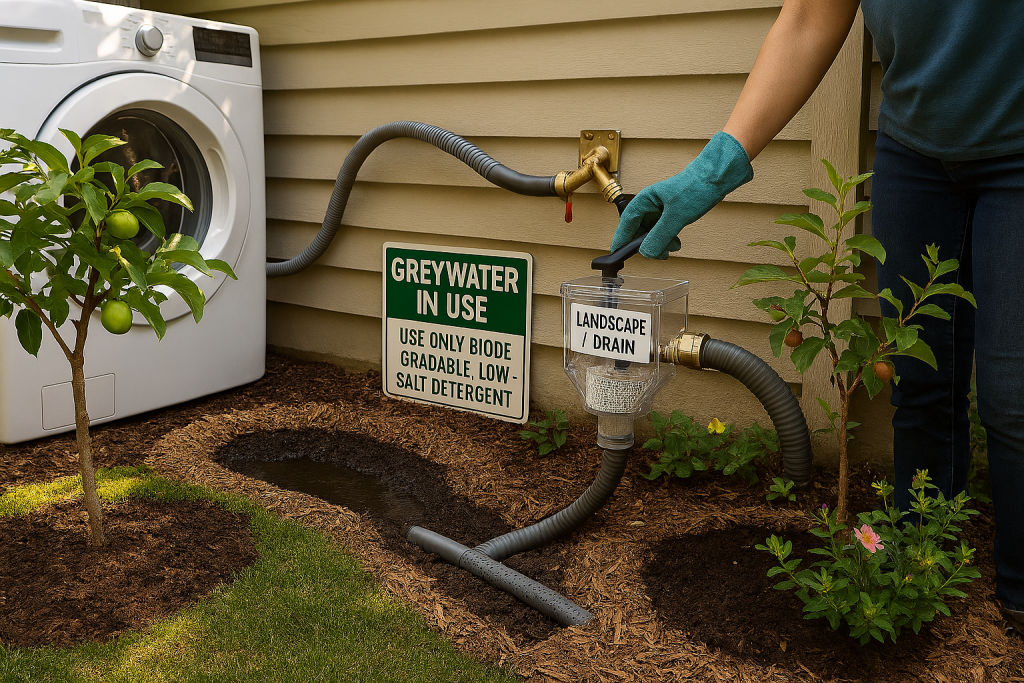
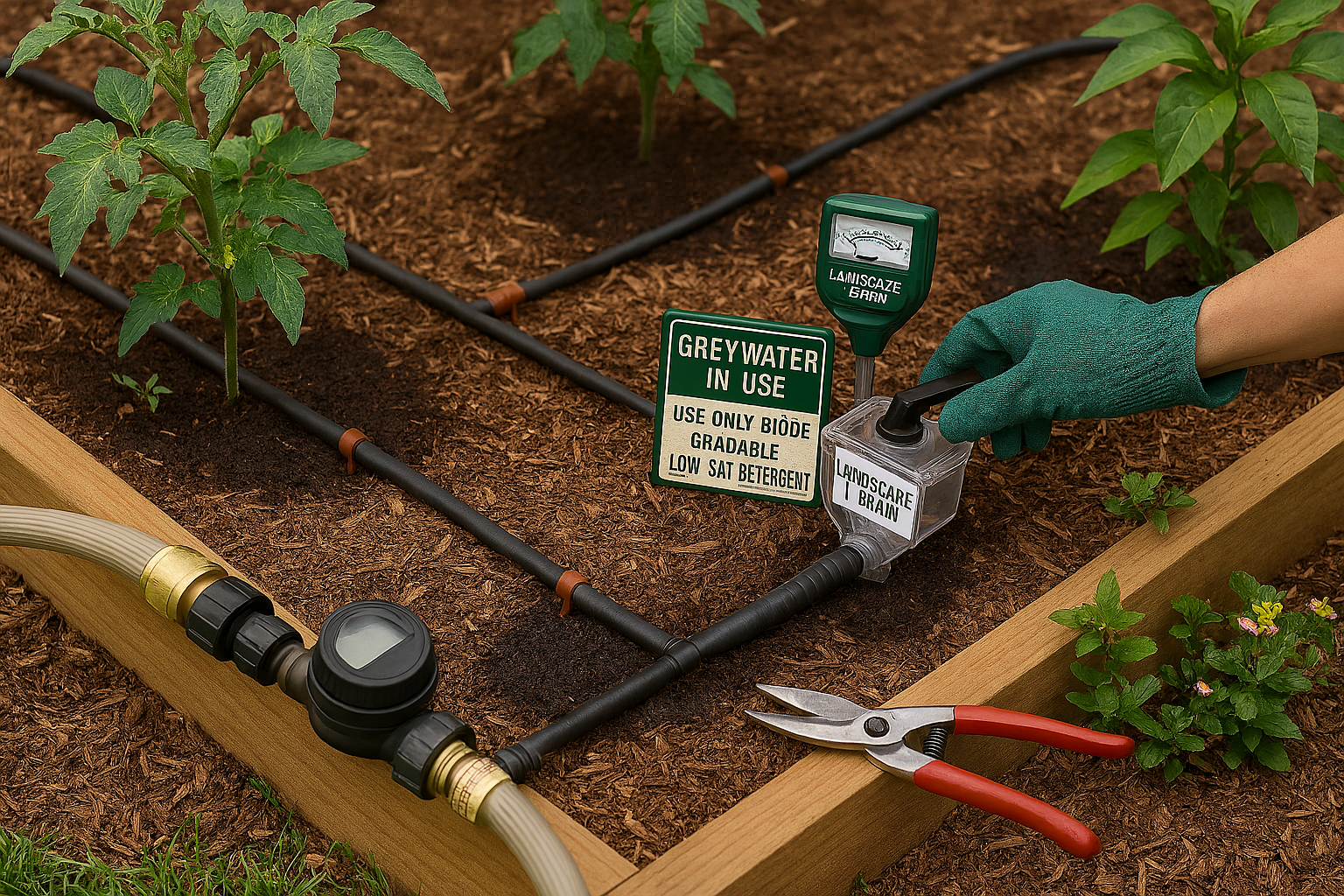
- Simple option: laundry-to-landscape to water trees and ornamentals (use low-salt, biodegradable detergents).
- Don’t use greywater on root crops or where it contacts edible produce; check local rules first.
- Earthworks (ponds, swales)
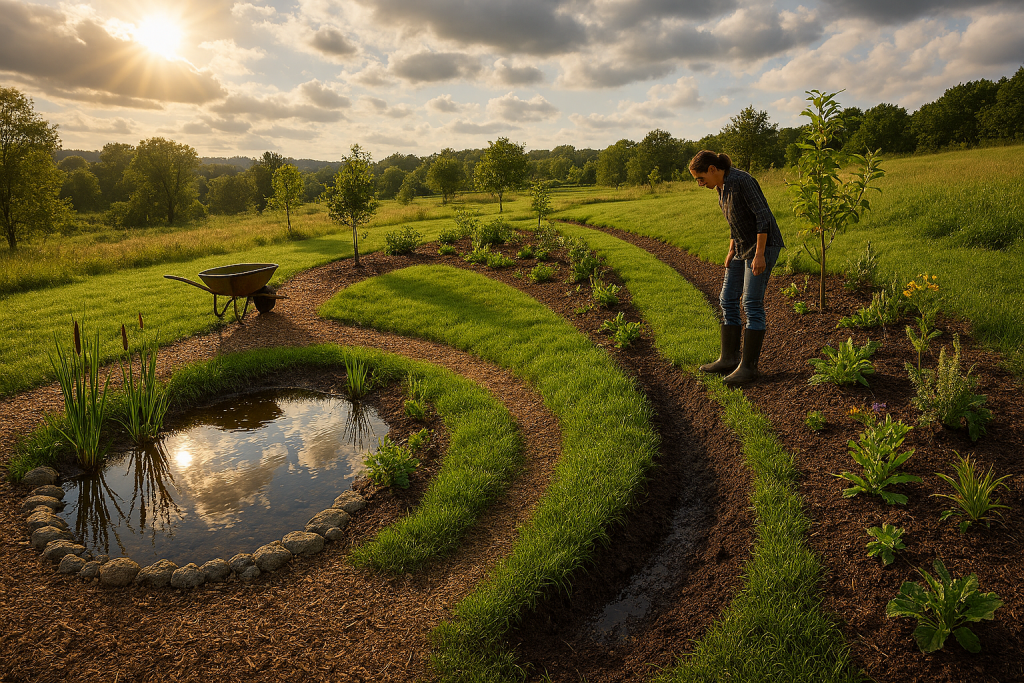
- Swales on contour slow and sink runoff — great for slopes and tree lines.
- Ponds store large volumes and create microclimates; plan overflow and safety (fencing).
- Even one small swale can transform a runoff-prone slope into productive beds.
- Efficient irrigation
- Drip systems and soaker hoses deliver water to roots with minimal waste.
- Mulch, water early/late, and group plants by water need (hydrozoning).
- Deep, infrequent watering encourages stronger roots.
- Water for animals
- Use clean, shaded troughs; change water often and consider filtration for young animals. In cold climates, prevent freezing with insulated or heated options.
- Soil-first approach
- Build organic matter (compost, cover crops) so soil holds more water.
- Favor drought-tolerant and native plants to reduce irrigation.
Common quick fixes
- Mosquitoes: seal barrels and use screens or fish in ponds.
- Algae: shade tanks and clean periodically.
- Erosion from overflow: route water through rocks/gravel.
Start small: one rain barrel + a drip line to tomatoes is an easy win. Water management is mostly small choices adding up — capture, conserve, and let the land do the rest.
3. Energy Independence
Reducing reliance on external energy sources is a key goal for many homesteaders. This pillar covers harnessing renewable energy such as solar, wind, or micro-hydro power. Additionally, energy conservation through passive solar design, insulation, and efficient appliances helps lower consumption. Achieving energy independence increases resilience and lowers utility costs, making your homestead more sustainable.
4. Shelter and Infrastructure
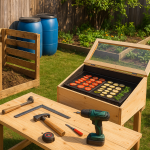
Building durable, efficient, and comfortable shelter is essential. This includes not only your home but also barns, greenhouses, storage sheds, and fencing. Many homesteaders embrace natural building techniques using materials like straw bale, cob, or reclaimed wood. Proper infrastructure supports daily activities, protects your resources, and enhances your quality of life on the land.
5. Waste Management and Soil Health
Sustainability depends on managing waste responsibly and maintaining healthy soil. Composting kitchen scraps, animal manure, and plant residues reduces landfill waste and creates rich soil amendments. Practices like vermiculture (worm composting) accelerate decomposition and enhance fertility. Maintaining soil health through cover cropping, mulching, and avoiding chemical inputs ensures productive gardens and long-term land viability.
6. Community and Skills Sharing
Homesteading thrives on community connections and continuous learning. Sharing skills, tools, and resources with neighbors fosters cooperation and resilience. Participating in local farmers’ markets, seed exchanges, and workshops strengthens social bonds and spreads knowledge. Developing practical skills like food preservation, woodworking, animal husbandry, and first aid empowers you to handle challenges independently.
Embracing the six pillars of homesteading transforms your lifestyle into one of abundance, resilience, and fulfillment. Whether you’re just starting or looking to deepen your homesteading journey, focusing on these core areas will help you build a self-sustaining, thriving homestead that supports you and your family for generations to come. Happy homesteading!