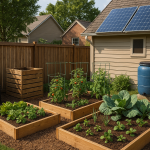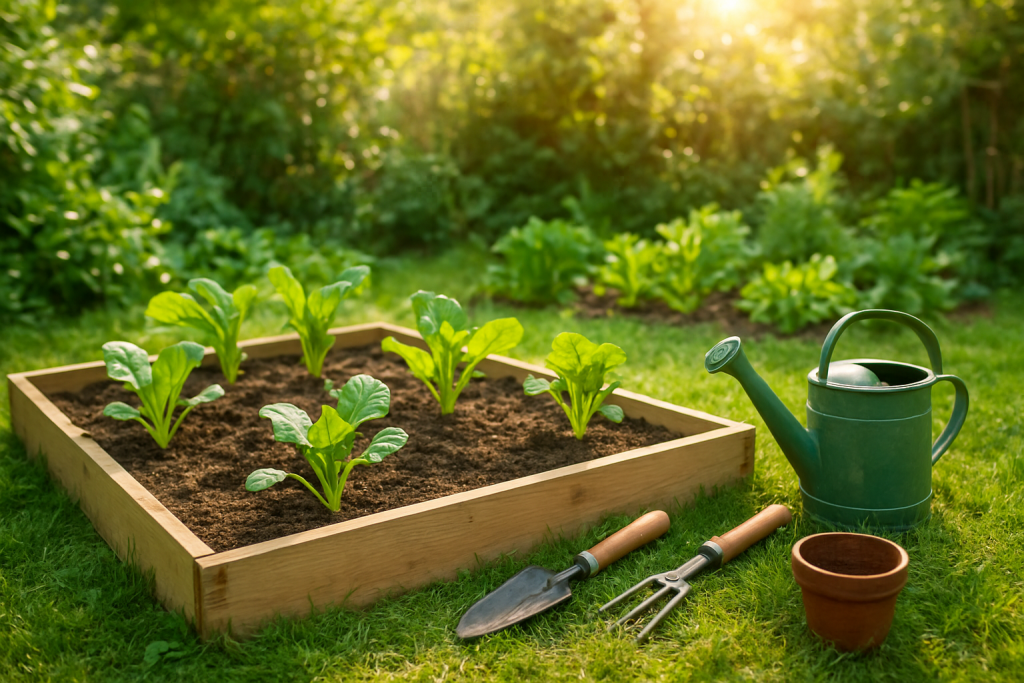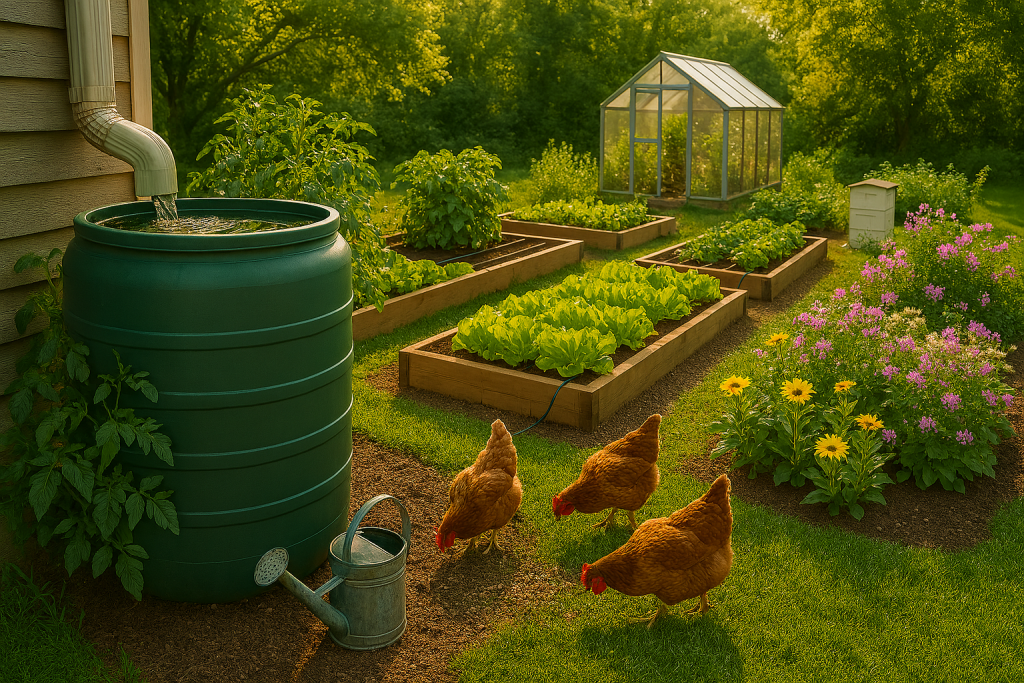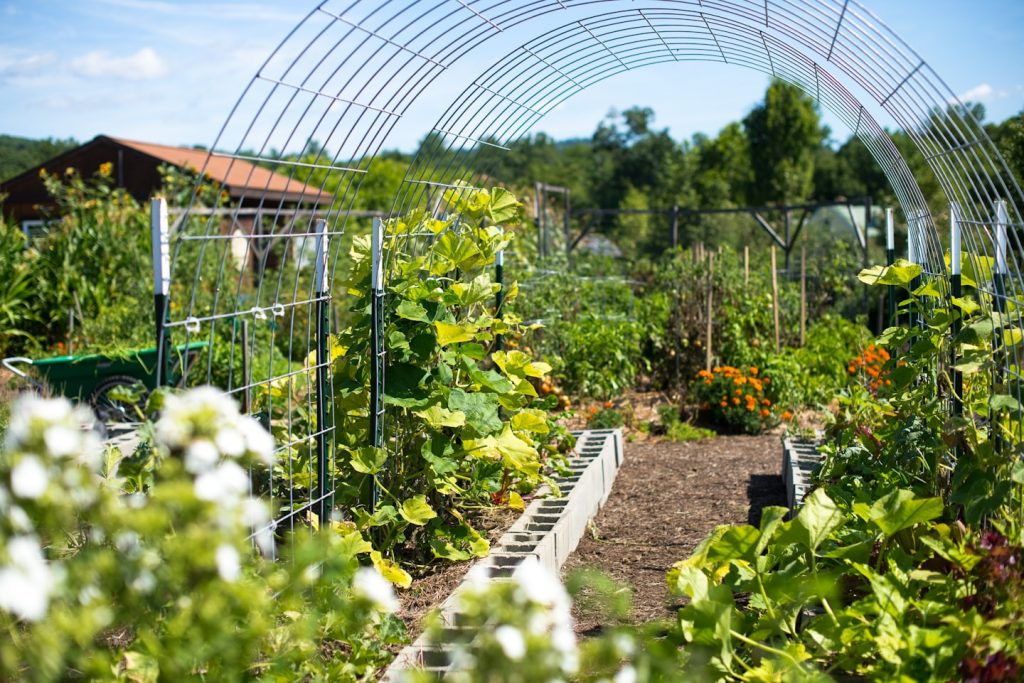
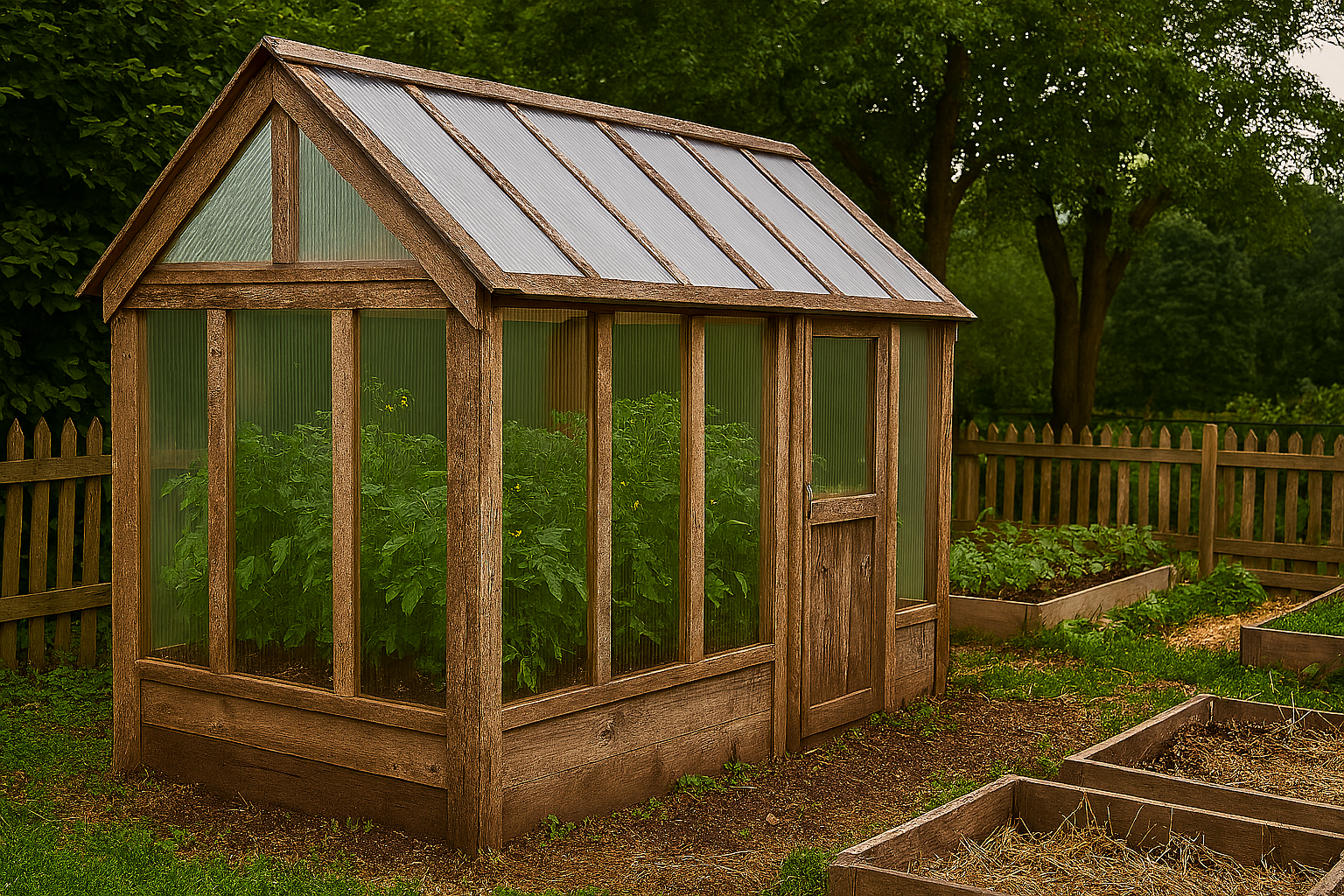
I remember the day I planted my very first raised garden bed. I didn’t know if my tomatoes would grow, if the soil was good enough, or if I’d accidentally start a garden full of weeds. But I dove in anyway—and that first harvest changed the way I saw the world. Over the years, that single bed grew into a quarter-acre homestead with a greenhouse, and what started as a curiosity turned into a lifestyle.
Homesteading isn’t just about growing your own food or raising a few chickens—it’s about taking responsibility for the way we live and interact with the planet. And honestly, I believe homesteading is becoming more than just a hobby; it’s shaping up to be the future of sustainable living.
Reconnecting with Our Food
When you grow your own vegetables or raise a couple of chickens, you quickly realize how disconnected most of us are from what we eat. I used to think I knew fresh food—I’d buy the “fresh” tomatoes from the store—but there’s nothing like picking a sun-warmed tomato straight from the vine. Over the years, I’ve learned to savor not just the flavor, but the process—the patience, the care, and the little lessons each plant teaches you.
Reducing Waste and Living Efficiently
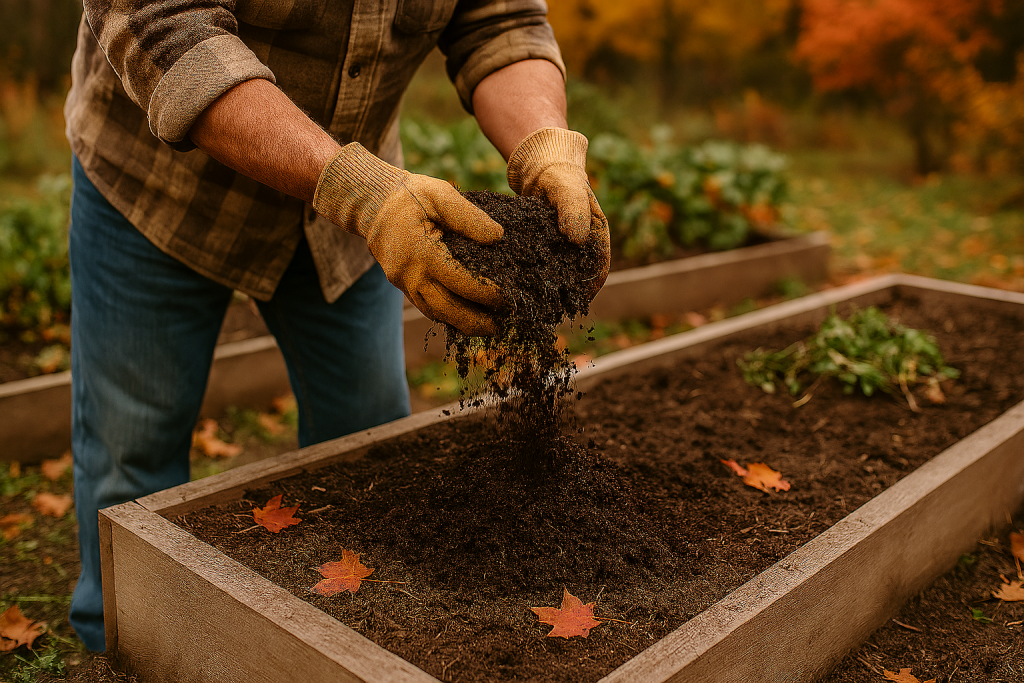
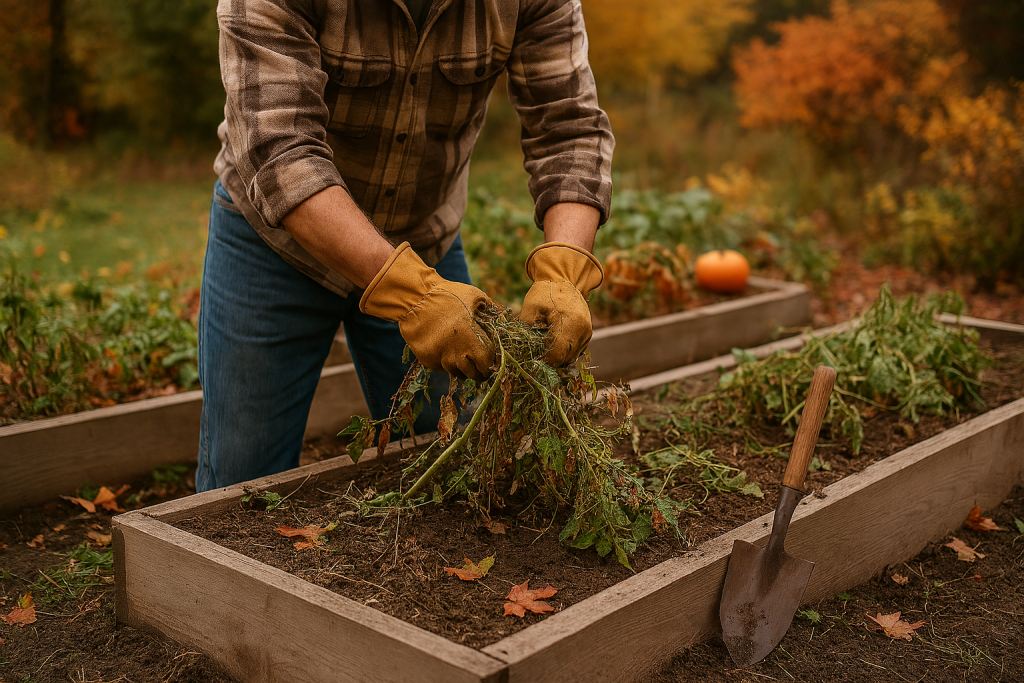
Sustainability isn’t just about planting vegetables. On my homestead, every scrap counts. Food scraps go to the compost, rainwater is collected to water the garden, and even leftover wood gets repurposed for raised beds or trellises. I’ve gotten creative too—like turning an old wheelbarrow into a miniature herb garden. Small actions like these add up, and when you live closer to the land, waste just doesn’t feel acceptable anymore.
A Healthier Life, Mind and Body
I won’t sugarcoat it—homesteading is hard work. But there’s a mental clarity and satisfaction that comes with growing your own food, maintaining your own property, and seeing your efforts literally bear fruit. I’ve noticed over the years that I feel healthier, more energetic, and just more grounded. There’s something in working with your hands, in soil and sun, that screens and city life just can’t replace.
Teaching the Next Generation
One of the most rewarding parts of homesteading has been sharing it with my niece. She would come over and help me in the garden, and I took the time to teach her about everything—from how to plant seeds properly, to understanding the seasons, to the importance of composting and caring for the soil.
I’ll never forget the time she proudly “rescued” a tiny worm from the compost bin, insisting it needed a home in the garden, or the look of pure joy on her face when the first cherry tomatoes ripened and she got to taste one straight from the vine. Moments like that are priceless—they’re the little sparks that turn a garden into a living classroom. Homesteading isn’t just about growing food; it’s about planting values, patience, and a connection to the land that she can carry with her for life.
Why Homesteading Matters for the Future
Here’s the thing: the world is changing fast. Climate concerns, food supply issues, and environmental degradation aren’t going away anytime soon. Homesteading gives us a blueprint for living with more self-reliance, less waste, and a deeper connection to our food and environment. It’s not just about nostalgia or the “back-to-the-land” vibe—it’s practical, it’s doable, and it empowers people to live sustainably, no matter where they are.
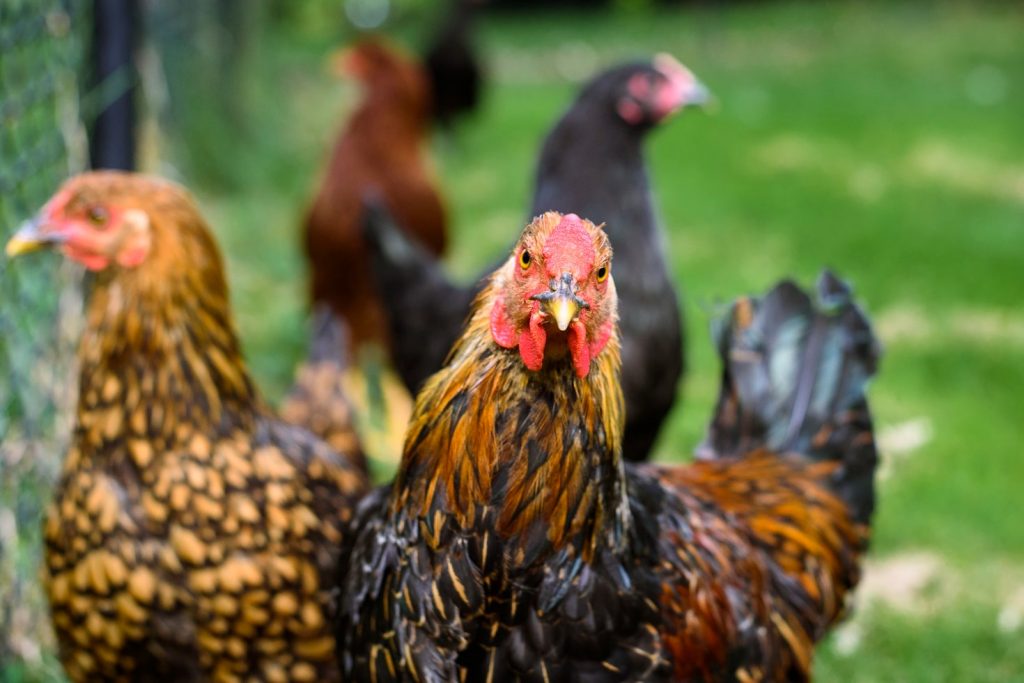
I’ve learned that homesteading doesn’t require acres of land or a full barn of animals. Even a small garden, a couple of chickens, or a compost bin on a balcony can start you down the path. And once you start, it’s hard to go back.
Homesteading is about taking the reins of your life, your food, and your impact on the planet. It’s about building something that lasts, and honestly? It’s the future we need.