Welcome to the buzzy side of homesteading — starting a hive is one of the most rewarding (and edible) things you can do in your yard. Below is a friendly, practical guide that walks a beginner through fears, equipment, timelines, common pitfalls, harvesting, and a handful of product picks you can recommend on your website.
Why keep bees? (short version)
Bees pollinate your garden, increase yields, teach patience, and reward you with honey. They’re also surprisingly tidy neighbors — if you do the basics right, most people never notice you have them.
The fifth-grade window hive — a quick story
When I was in fifth grade my homeroom teacher put a bee hive in the school window. Watching the bees come and go through a glass pane — seeing pollen baskets load up, the worker choreography, and the way the colony changed over weeks — stuck with me. It was the first time I realized a hive is like a tiny city with architecture, jobs, and drama. That early classroom hive made beekeeping feel less like a dangerous dare and more like joining a living system.
How to remove the fear (yes, you can)
Most beginners worry about stings and “what if the hive swarms.” Here’s how to calm those worries:
- Know bee behavior. Bees guard their hive entrance, but they’re not aggressive by nature when left undisturbed. A calm, confident bee handler reduces stings dramatically. (Tip: slow movements, gentle smoke puffs, and treating inspections like a slow conversation.)
- Start with a suit/veil. A good veil and jacket make your first 10 inspections stress-free.
- Use smoke properly. A few gentle puffs distract guard bees; it’s not about suffocating them, it’s about nudging behavior.
- Choose gentle stock. Some subspecies/strains (Italian, Carniolan) are known for calmer temperaments — great for beginners.
- Learn local rules & neighbors. Tell nearest neighbors you’re starting a hive and show them how non-threatening bees usually are.
Which hive should a beginner choose?
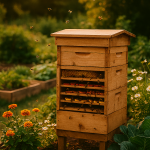
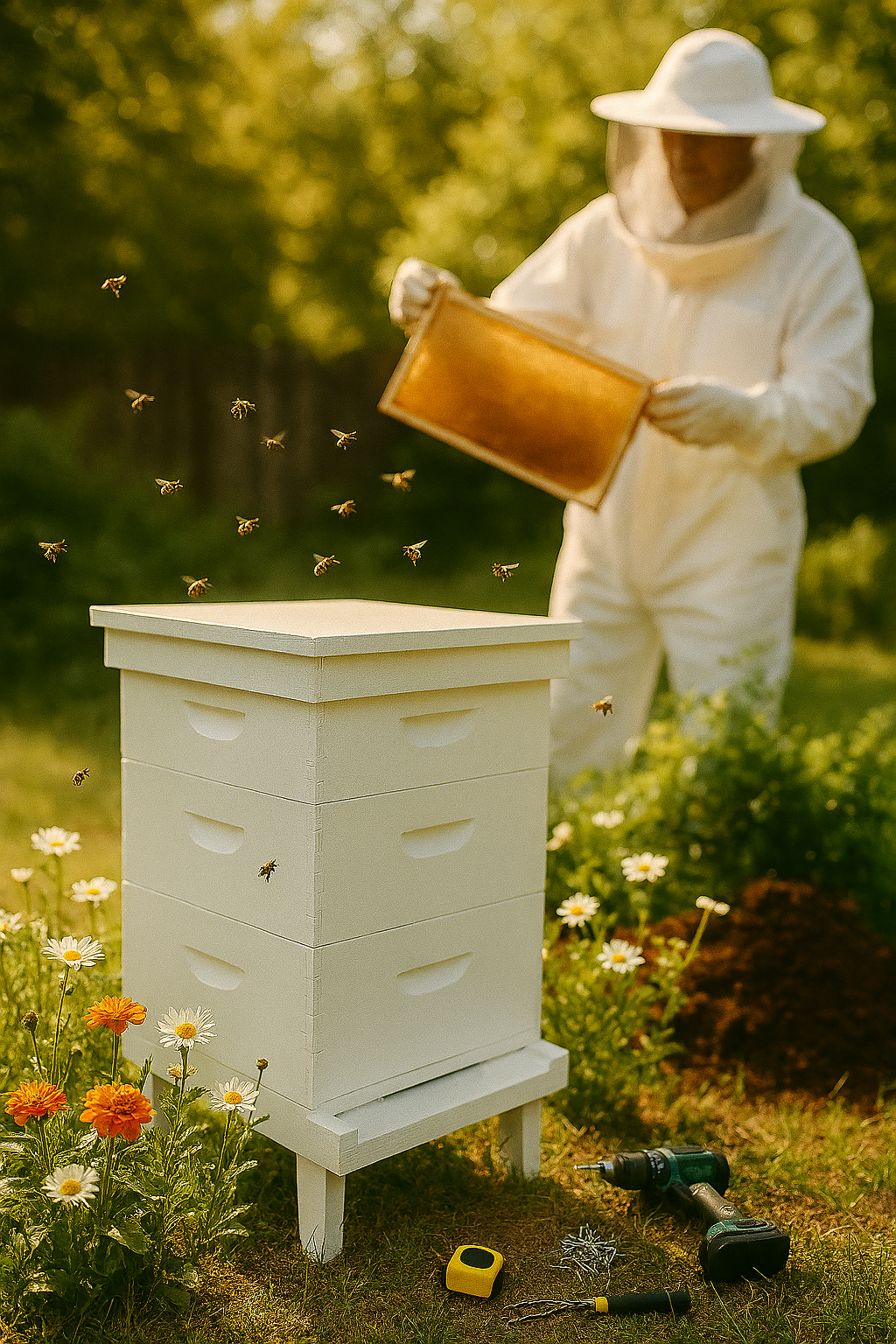
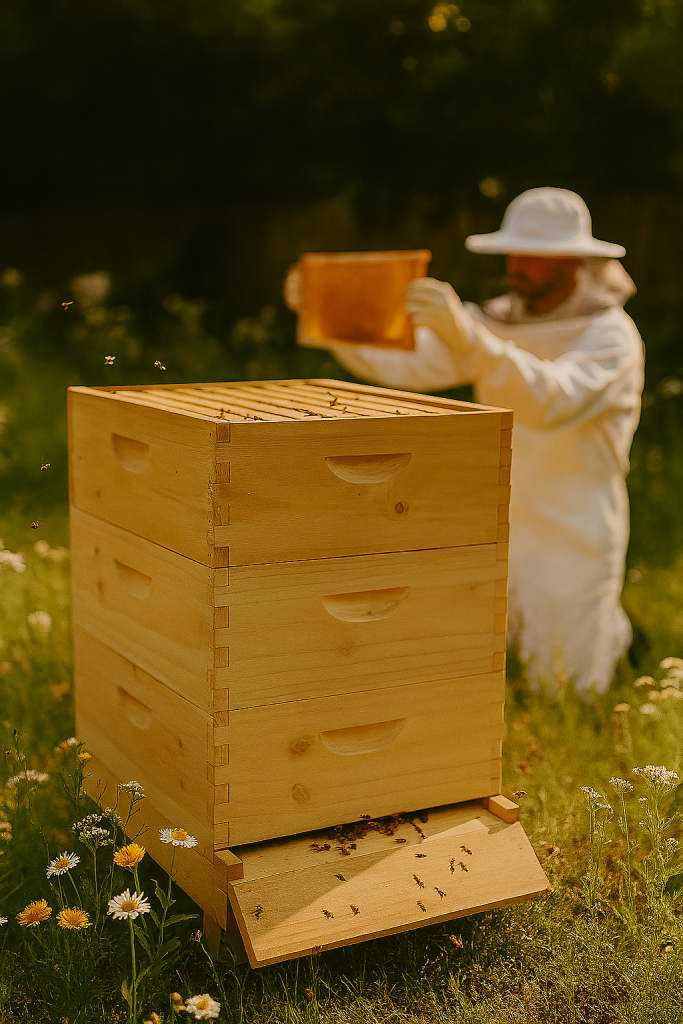
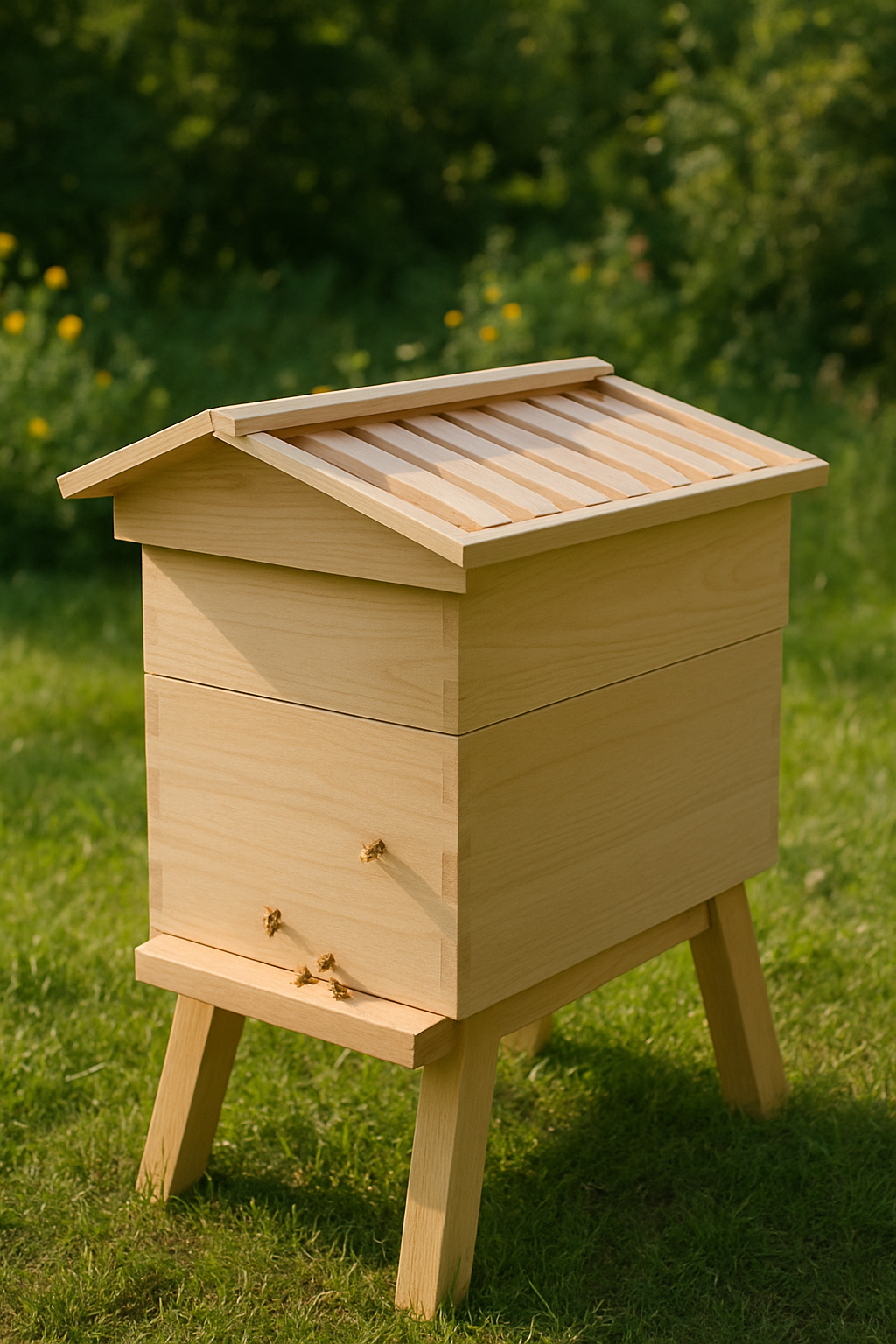
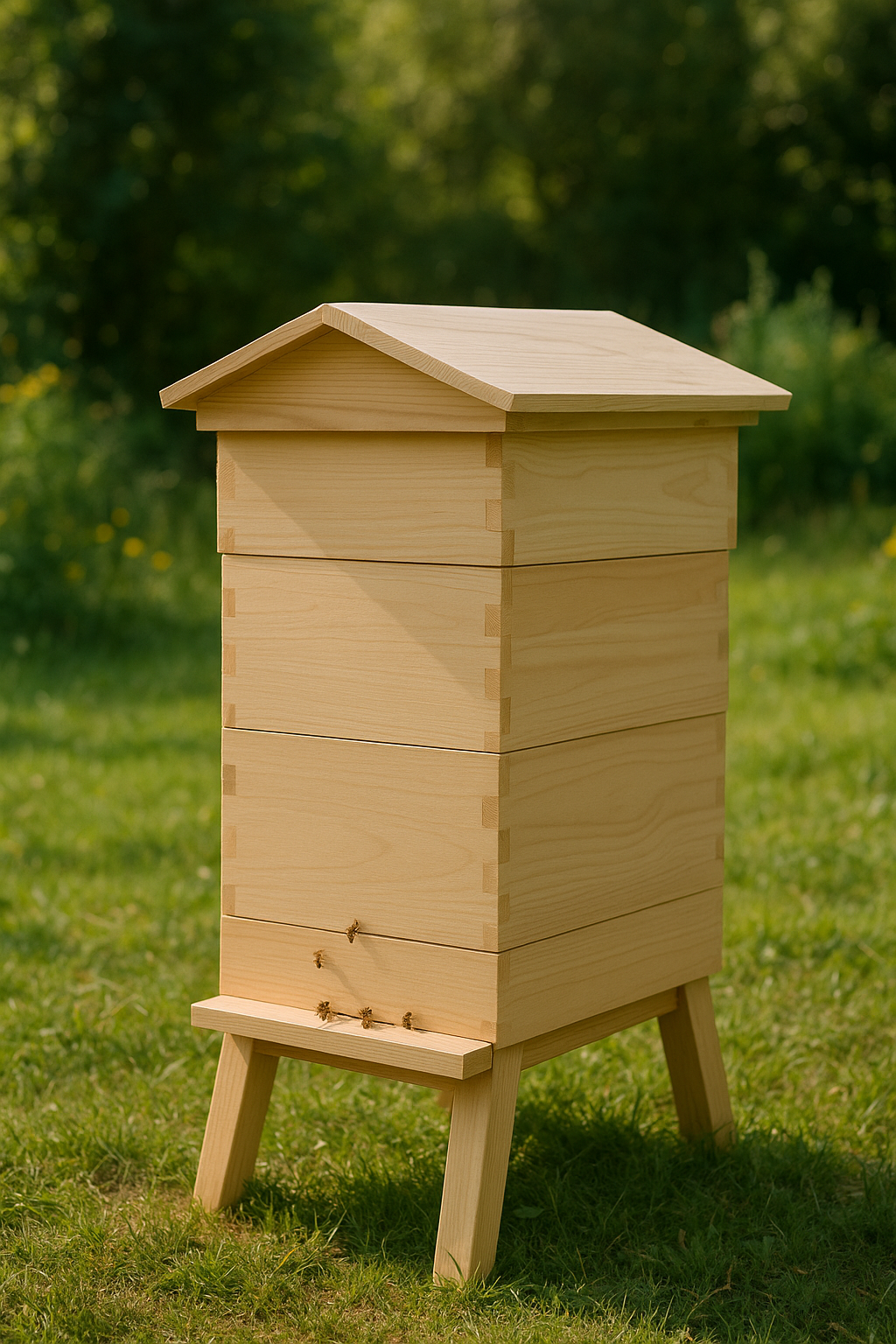
The three common hive types are Langstroth, Top-Bar, and Warre. For most beginners in the U.S., a Langstroth hive is the most practical choice — standardized, easy to find replacement parts for, and scalable as you add colonies. Penn State Extension
(If you value low-tech and single-comb inspection style, Top-Bar is charming — but it’s a bit less standard for honey extraction and expansion.)
How to get your bees: packages, nucs, or swarms?
- Nucs (nucleus colonies): Small colonies with frames already drawn out — often the most beginner-friendly because they arrive with brood, stores, and a laying queen. Penn State Extension
- Package bees: A box of workers plus a queen in a cage — cheaper but the colony must build comb and get established.
- Local swarm: Free but unpredictable; best if you have experienced help.
Essential equipment checklist (starter-friendly)
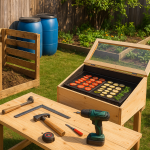
- Langstroth hive kit (bottom board, 1–2 brood boxes, frames & foundation, inner cover, outer cover)
- Protective veil & suit (or jacket + veil)
- Hive tool and J-hook (pry open boxes and lift frames)
- Smoker + fuel
- Bee brush and frame grips
- Honey super(s) and extra frames for honey storage
- Feeder (in spring or late fall if needed)
- Basic extractor or uncapping tools if you plan to process honey
(Products and starter kits are listed in the product section below.)
First-year timeline — what to expect
Spring (setup & swarm season)
- Install bees (nuc or package) when local temperatures and forage allow.
- Feed sugar syrup briefly if stores are low.
- Inspect every 7–10 days at first: look for the queen, brood pattern, and stores.
Summer (growth & honey flow)
- Add a honey super when brood box is ~80% full of bees.
- Watch for robbing behavior (cover open honey and avoid spilling).
- Begin mite monitoring (see pests below).
Late summer / early fall (prepare for winter)
- Harvest surplus honey after main nectar flow — only remove frames that are mostly capped (about 80% or more) so moisture is low and honey won’t ferment. BetterbeeMiller Manufacturing Company
- Ensure the colony has enough stores for winter or plan to feed.
Winter
- Reduce entrances for wind, check on ventilation, and leave adequate honey/stores.
Inspections — what to look for (quick checklist)
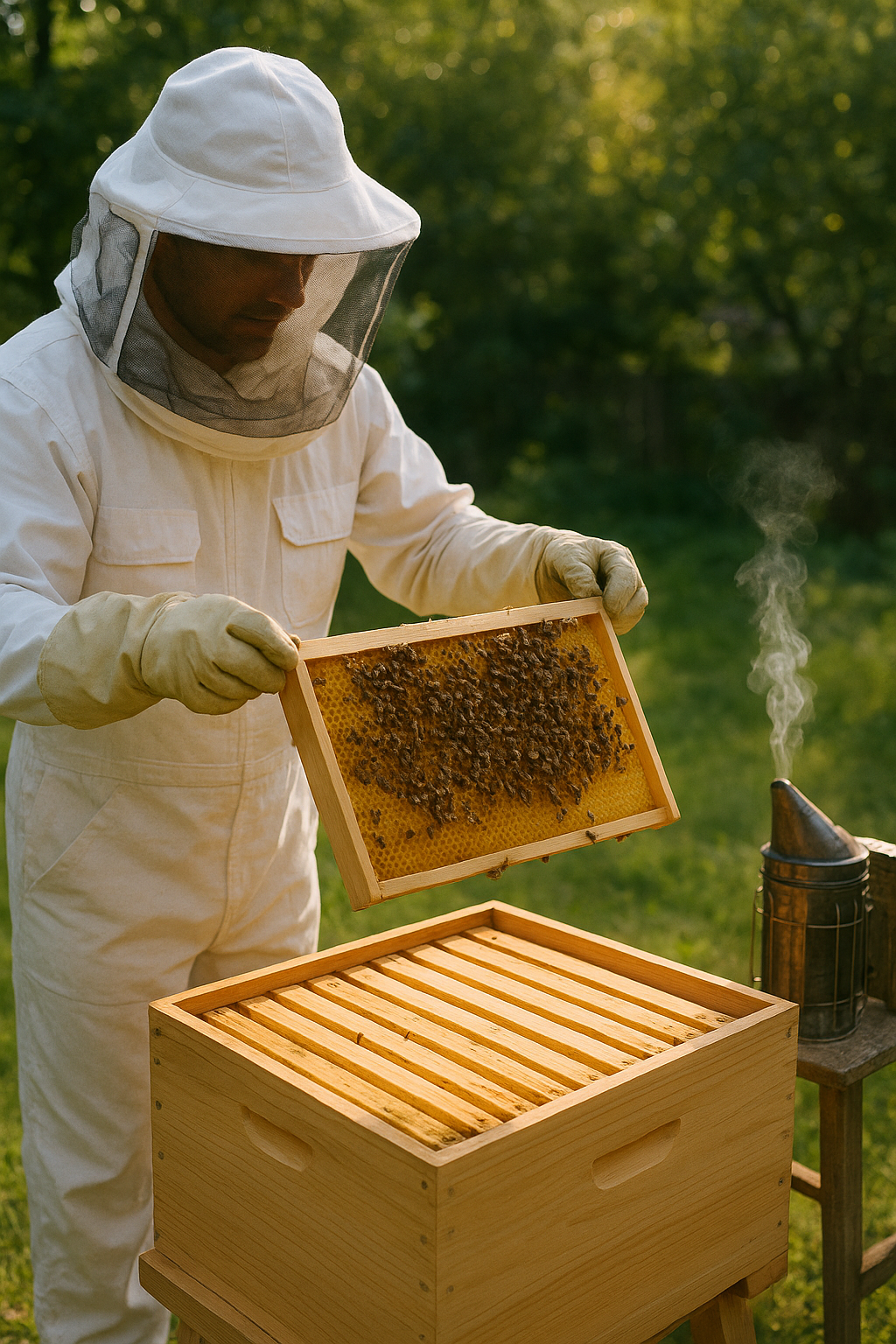
- Queen present and laying (eggs/young brood)
- Brood pattern (solid patches vs. spotty)
- Food stores (honey & pollen)
- Signs of disease or pests (see varroa, AFB/ EFB)
- Space: add a honey super if frames are filling
Pests & disease — don’t panic, monitor
The single biggest ongoing challenge for beekeepers is the Varroa mite. Treating and managing Varroa is an ongoing task that modern beekeepers combine with cultural controls, resistant stock, and periodic treatments. Integrated pest management (IPM) approaches are recommended. Penn State Extension+1
Common actions:
- Do a mite test regularly (alcohol wash or sugar shake).
- Consider mite-resistant stock or brood interruption methods.
- Keep strong, well-fed colonies — healthy bees resist pests better.
Harvesting honey — step-by-step
- Timing: Harvest after the main nectar flow and when frames are mostly capped (≈80% sealed). Betterbee
- Tools: bee brush, hive tool, frame grip, uncapping knife or fork, extractor (manual or electric), settling tank, filters, jars.
- Method: Move supers away from brood (so you’re taking bees with little brood), gently brush/beat bees off frames, uncap wax cappings, spin frames in an extractor, let honey settle for 24–48 hours, bottle.
- Leave enough: Never take the winter stores — leave 2–3 deep frames of honey (or equivalent) or plan to feed.
Processing & food-safety notes
- Filter out bee parts and debris; strain with a fine mesh or food-grade filters.
- Label jars with harvest year and region.
- For buyers: raw vs. pasteurized — many customers want raw local honey; keep small-batch options.
Troubleshooting quick hits
- Lots of drones, little brood? Could be a failing queen or laying worker — inspect closely.
- Aggressive bees? Look for a reason: nearby raccoon, queenless hive, or recent disturbance — smoke helps, but removing stressors is the long-term fix.
- Little honey? Could be poor nectar flow or robbing — ensure hive health and proper super management.
Products recommendations
Below are solid beginner-friendly items and kits (good balance of price and coverage). I picked starter kits that bundle essentials, standalone hive kits, and “tools-only” kits for folks who already have a hive box.
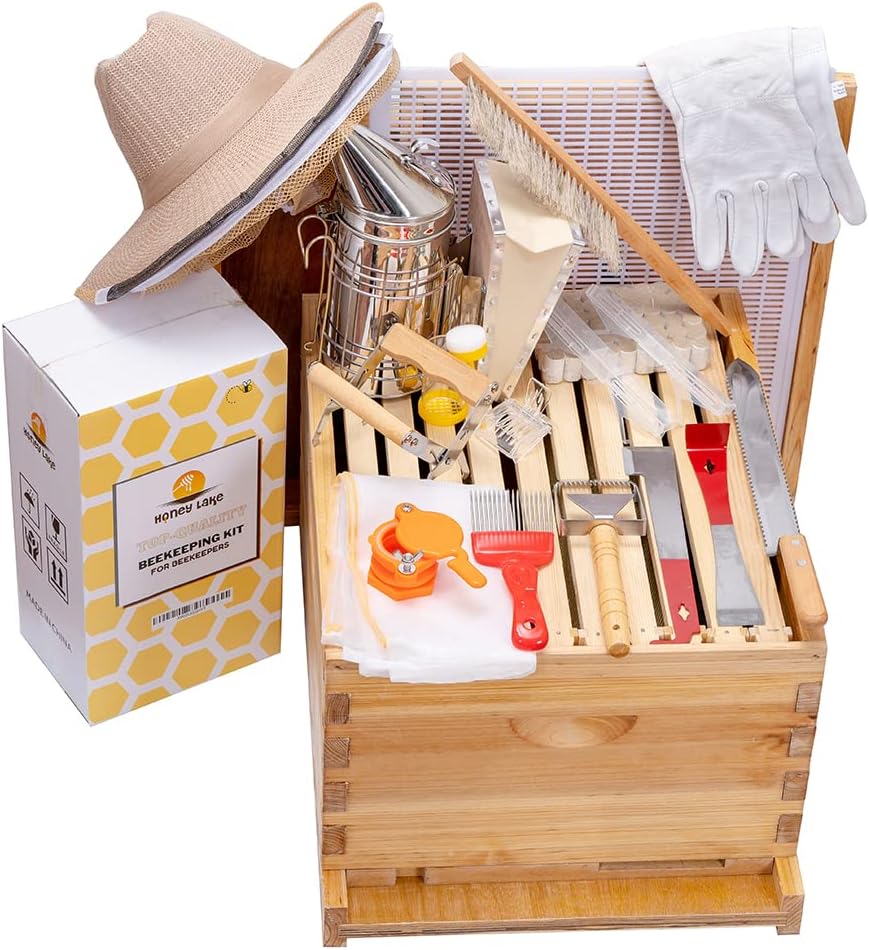
Honey Lake 8 Frame Beehive Starter Kit
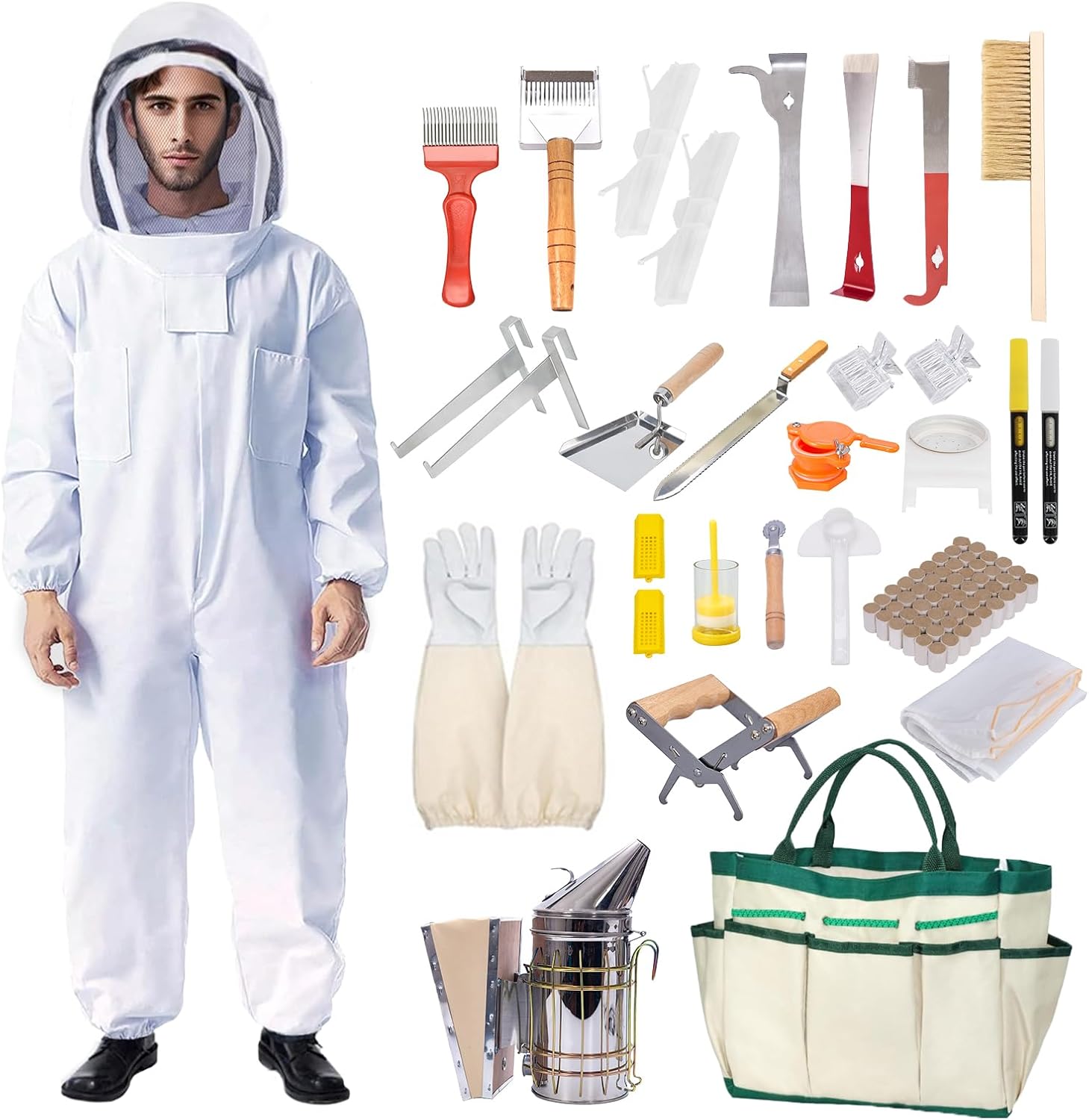
Honey Lake 31Pcs Beekeeping Supplies Starter Kit with Bee Suit
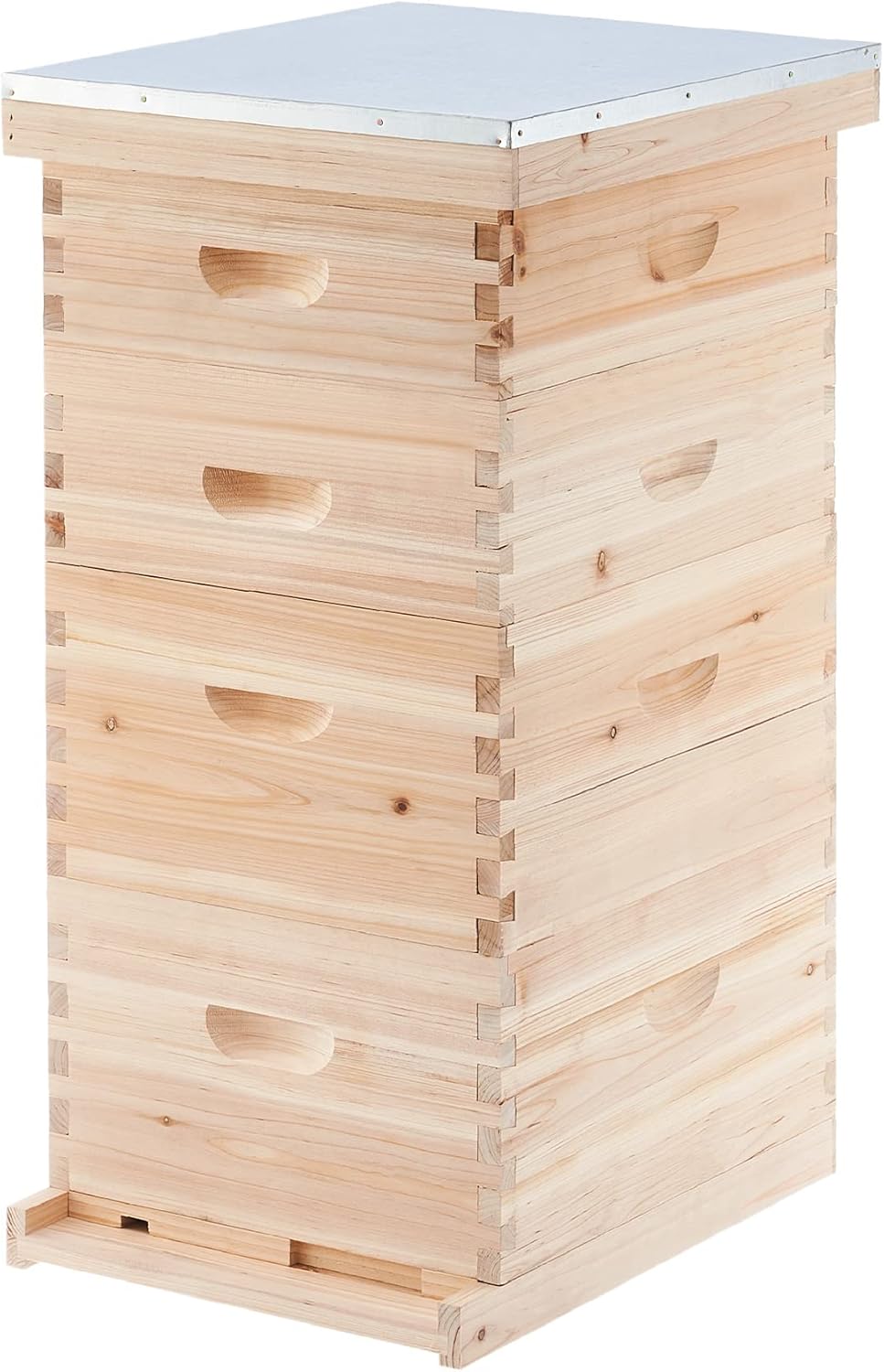
CREWORKS Bee Hive Boxes Starter Kit
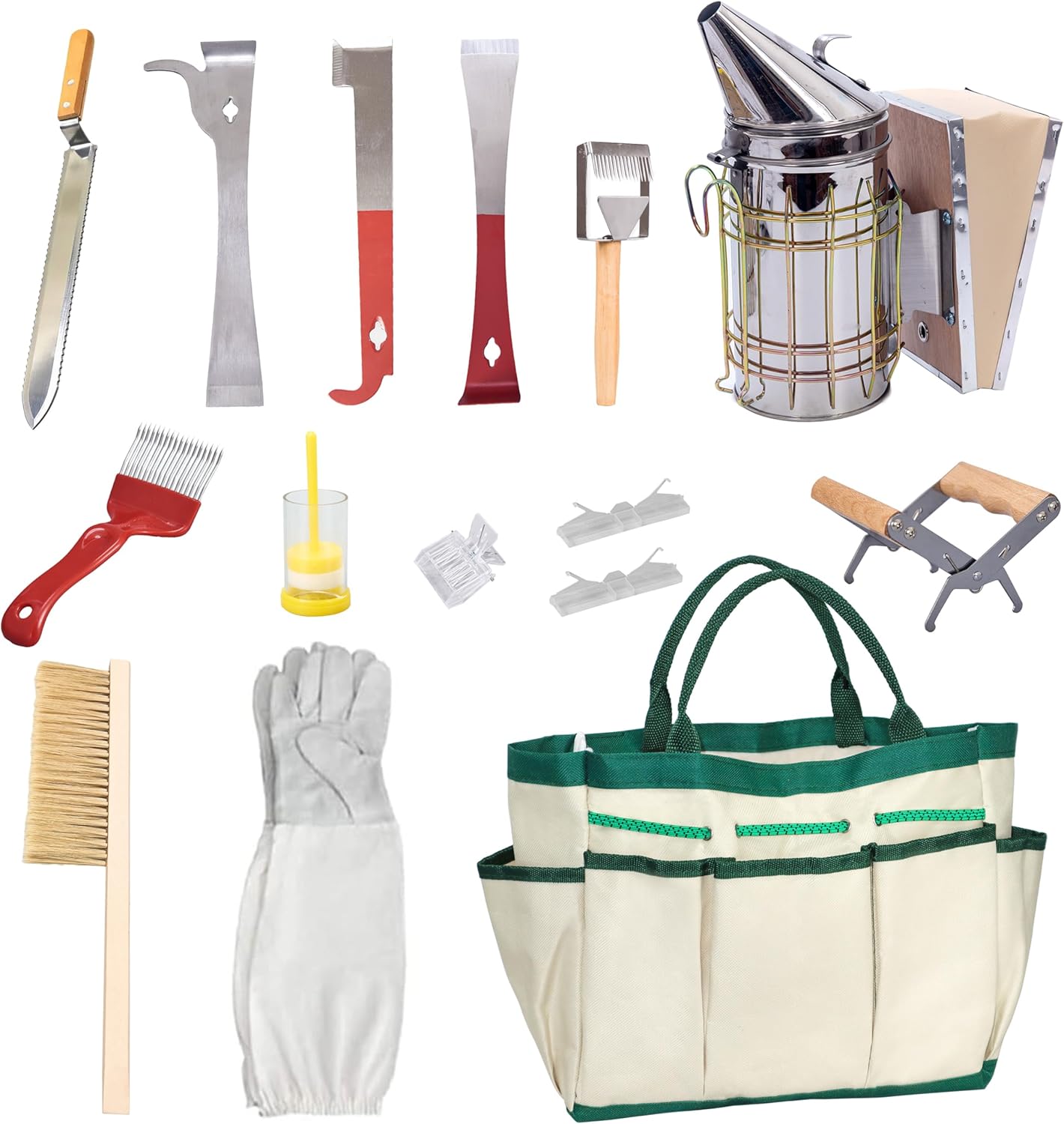
Beekeeping Supplies 14 Pc Starter Tools Kit
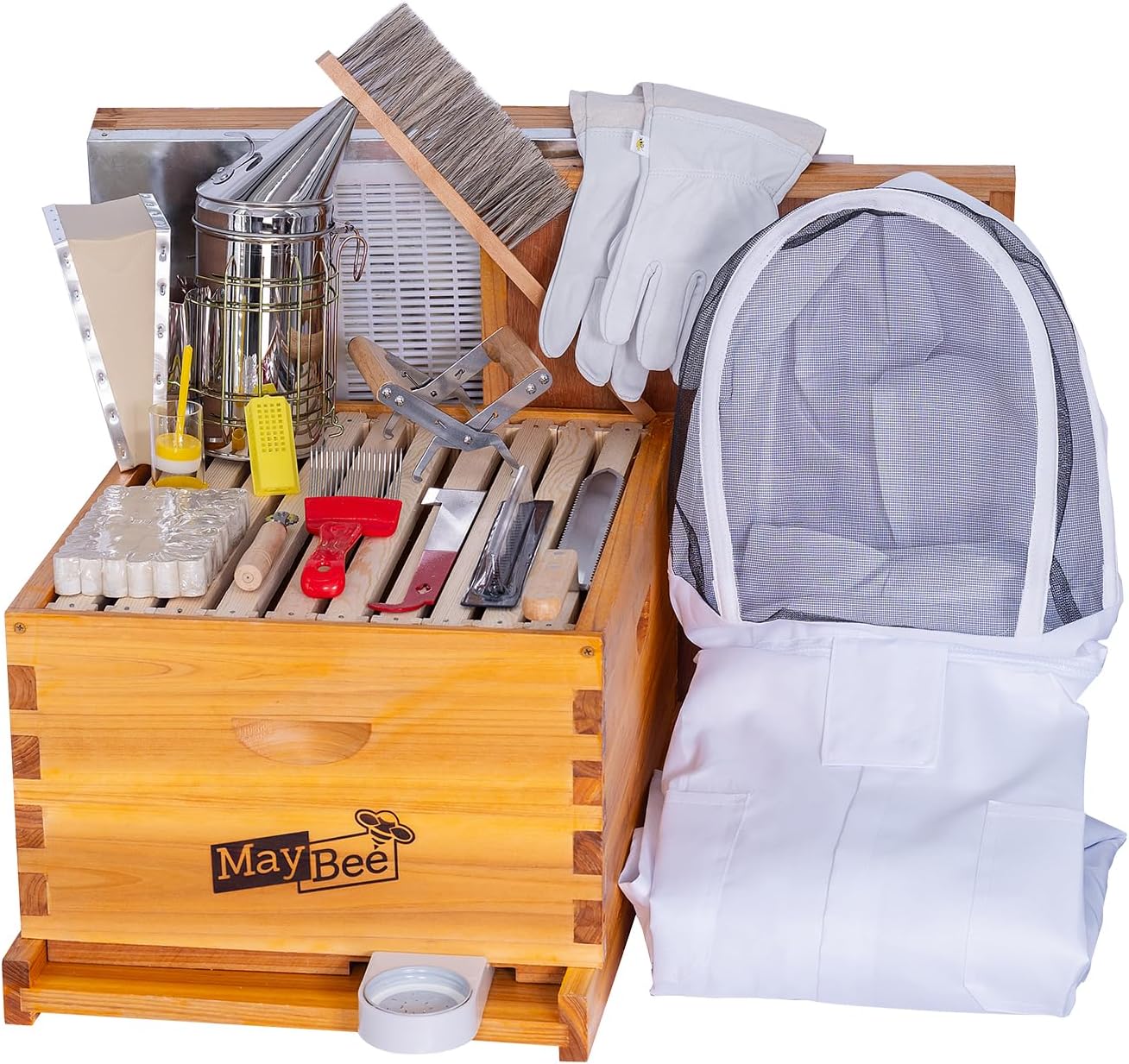
MayBee 10-Frame Beehive Starter Kit
Quick summaries — why these are good picks for beginners:
- Starter kits (Mann Lake, Maybee, BeeCastle): Include brood boxes/frames and basic tools. Great for first-time hobbyists who want a one-stop buy.
- Langstroth hive kits (Creworks, Flat Pack): Standard boxes and frames — good for scaling later and easy replacement parts.
- Suit + Tools bundles: If customers already have the woodenware, these bundle the veil, smoker, hive tool, and gloves for safer inspections.
- 14-piece tool kits: Affordable add-ons or gift items for new beekeepers.