
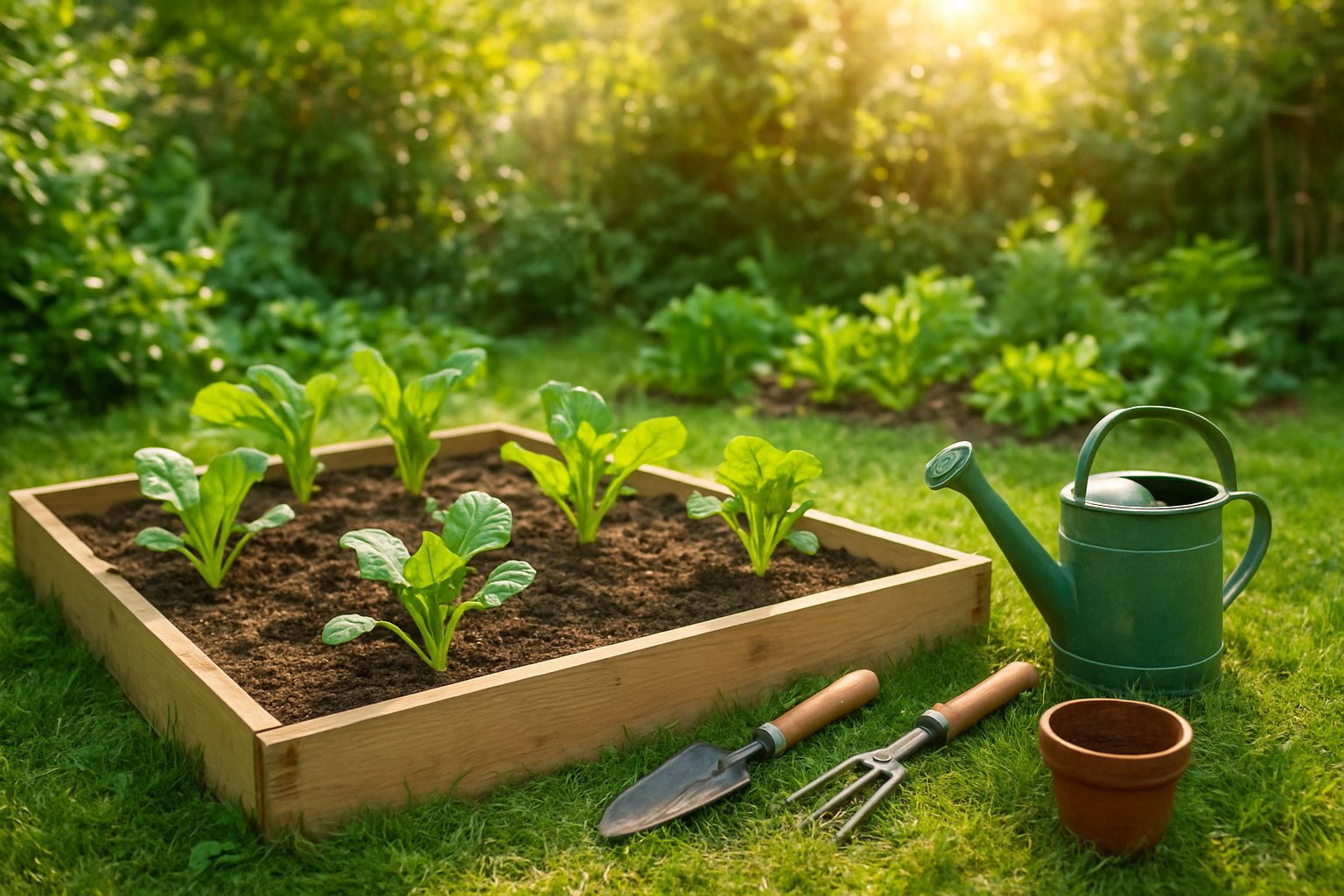
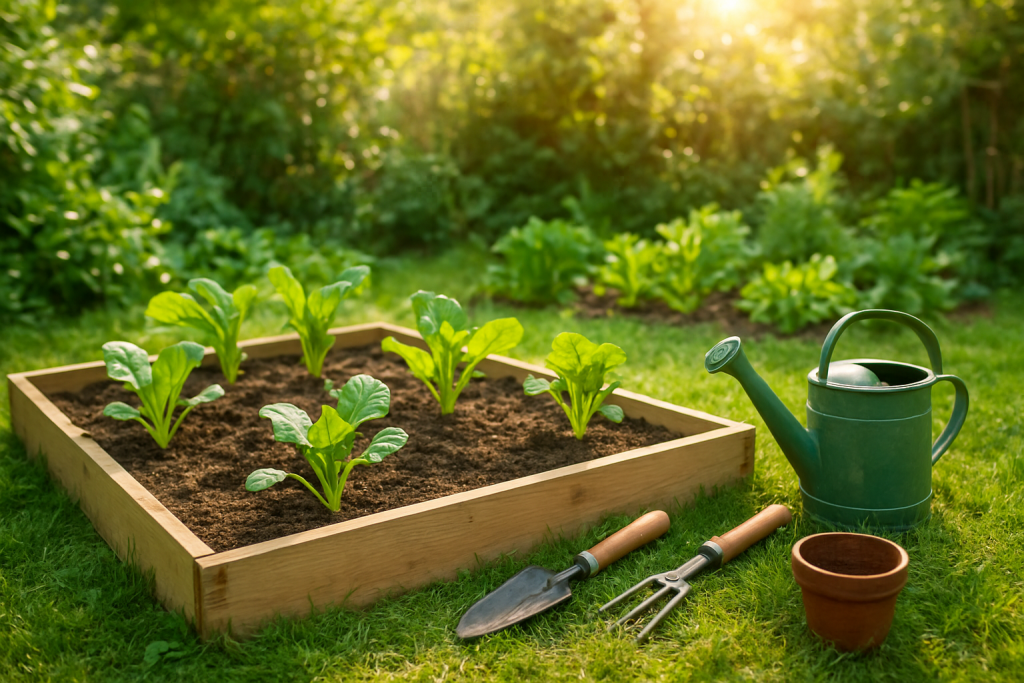
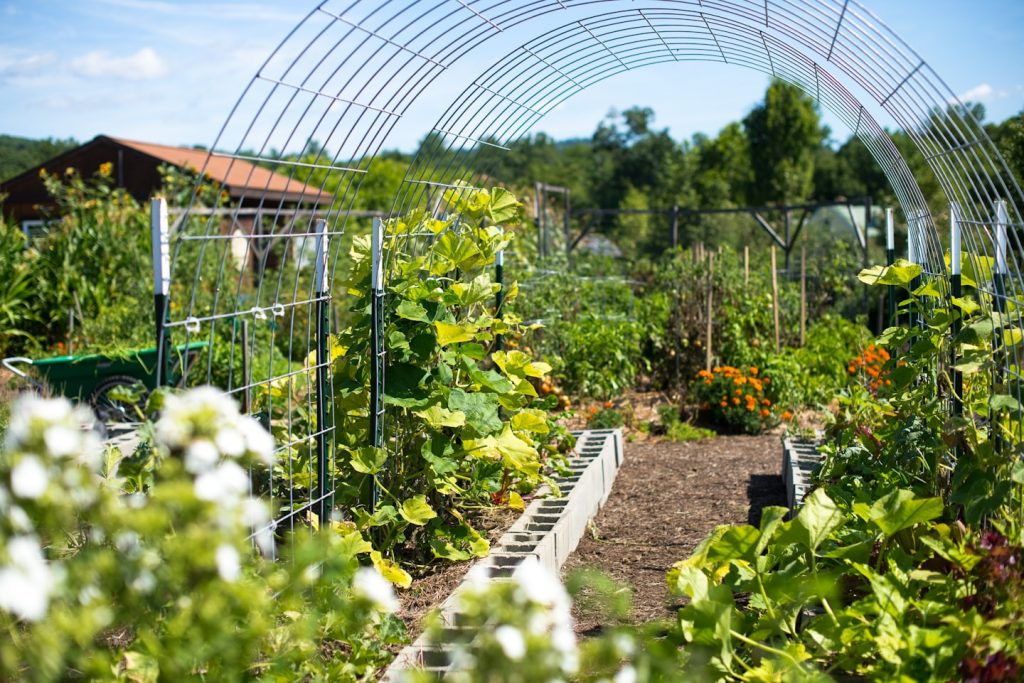
When you’re just getting started, one of the best beginner-friendly backyard gardening tips is to keep things simple and manageable. There’s no need to transform your yard into a full-scale homestead on day one. Begin with a single raised bed or even a few container pots. This lets you learn the basics—soil, sunlight, watering, spacing—without feeling like your garden is staging a coup.
Starting small also helps you actually enjoy the process. You’ll be able to focus on learning what grows well in your climate, how much water is enough (without drowning your tomatoes in enthusiasm), and which plants practically grow themselves. Once you’ve built some confidence—and harvested your first handful of homegrown magic—you can slowly expand your garden at your own pace.
1. Start Small… Like “One Raised Bed” Small
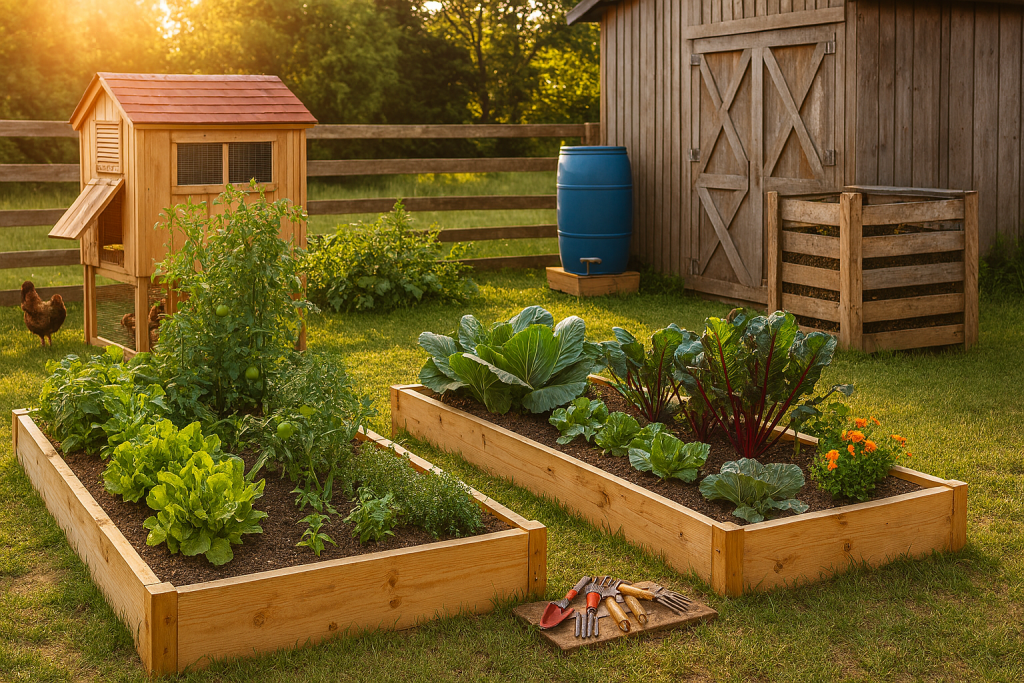
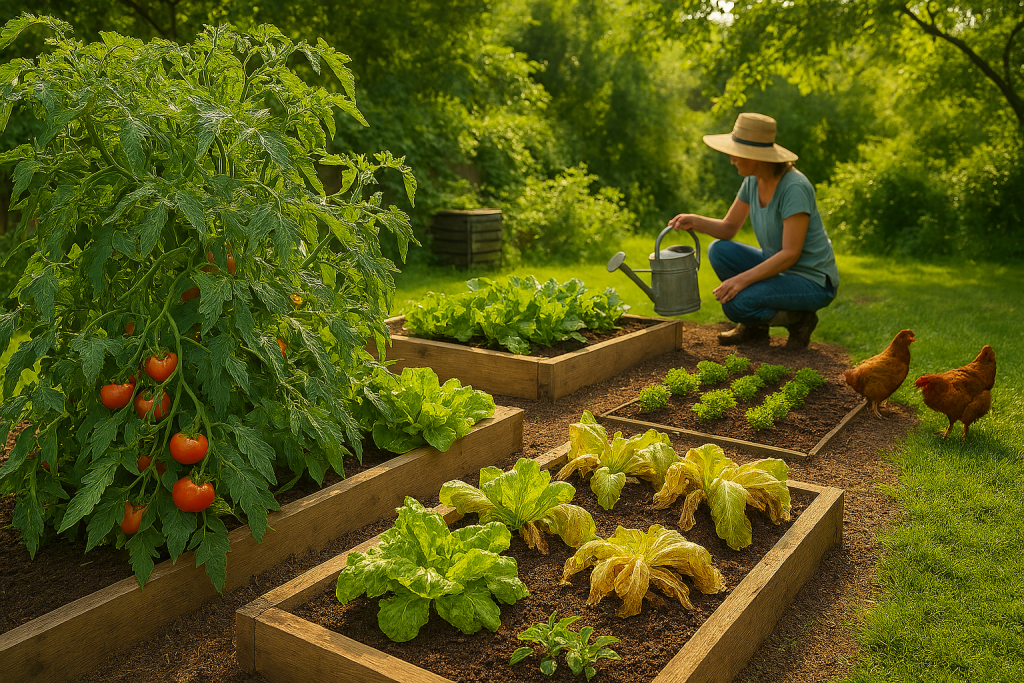
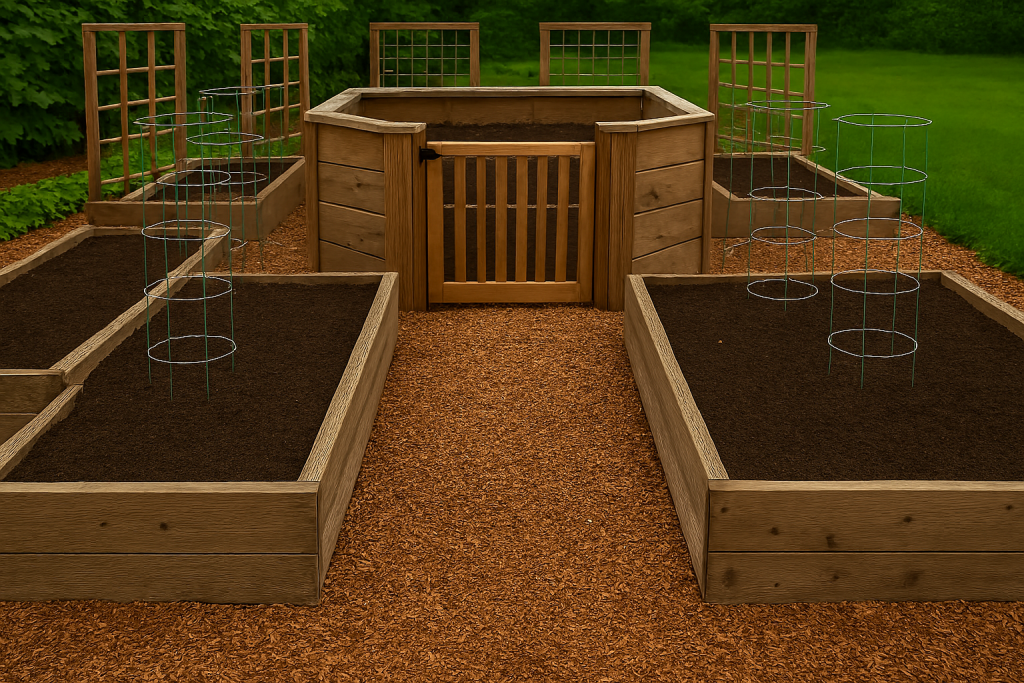
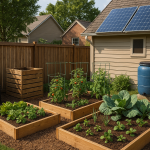
Resist the urge to build a full-blown farm on day one. Trust me — I learned this the hard way. In my early gardening days, I went all-in with way too many plants, too many beds, and zero clue what I was doing. By midsummer, I was basically running a one-person agricultural circus. One of the best beginner-friendly backyard gardening tips I discovered is to start small: a single raised bed or a couple of container pots is more than enough to get comfortable with soil, watering, sunlight, and spacing. Starting small gives you room to learn, experiment, and adjust without feeling overwhelmed (or questioning all your life choices while pulling weeds at 6 AM).
Helpful Tools:
- Raised Garden Bed Kit (affiliate link)
- Organic Potting Soil for Vegetables (affiliate link)
2. Pick Plants That Actually Want to Grow for You
Choose forgiving, fast-growing plants, especially in your first season. Stick with backyard MVPs like:
- Tomatoes
- Lettuce
- Cucumbers
- Peppers
- Basil, cilantro, parsley
They’re low-drama, high-reward — the perfect combination.
Garden Starter Essentials:
- Beginner Seed Variety Pack (affiliate link)
- Drip Irrigation Starter Kit (affiliate link)
3. Give Your Plants the Sun They Deserve
One of the most important beginner-friendly backyard gardening tips is making sure your plants get enough sunlight. Most vegetables are basically solar-powered overachievers — they need 6–8 hours of direct sun each day to grow strong, produce well, and avoid turning into sad, leggy shadows of their potential.
Take a day to observe your backyard and note which areas get consistent sunlight. Yes, this may involve wandering around staring at the ground like you’re investigating a crime scene, but it’s worth it. Morning sun is ideal for many plants, as it gently wakes them up and dries lingering moisture from the night, reducing the risk of mildew.
If your yard has mixed sun patterns, don’t stress — just match the right plants to the right spots. For example:
- Full sun: tomatoes, peppers, cucumbers
- Partial sun: leafy greens, herbs, root veggies
This simple step boosts your garden’s success rate dramatically. And here’s a bonus tip: avoid planting too close to fences, sheds, or tall shrubs that could cast surprise shadows during key parts of the day. Plants love sunbathing, and you’re just giving them front-row seats.
Understanding your sunlight zones is one of the easiest ways to set your garden up for success — and it’s a foundational skill every new gardener should master.
4. Water Consistently (But Not Like You’re Filling a Pool)
One of the most underrated beginner-friendly backyard gardening tips is learning how to water the right way. New gardeners often assume more water equals happier plants, but veggies are a lot like people — they don’t enjoy soggy feet.
Instead of watering lightly every day, aim for deep, consistent watering a few times per week. This encourages roots to grow downward, making your plants stronger, more drought-tolerant, and less likely to panic the moment the sun comes out.
Water early in the morning when temperatures are cooler. This reduces evaporation and gives your plants plenty of time to drink before the heat sets in. Evening watering can work too, but be cautious — wet leaves overnight can invite mildew or fungal issues, and nobody has time to run a garden infirmary.
If you’re unsure whether it’s watering day or not, here’s another solid beginner-friendly approach: stick your finger about an inch into the soil. If it feels dry at that depth, it’s time to water. If it still feels moist, step away from the hose and give your plants some personal space.
Consistent, mindful watering not only keeps your garden healthy but also cuts down on beginner mistakes like overwatering—something we’ve all done while trying to “show love” to a droopy tomato.
Perfect Helpers:
- Soil Moisture Meter (affiliate link)
5. Feed Your Garden — Plants Get Hungry Too
One of the most overlooked aspects of gardening is nutrition — plants, like us, need regular meals to thrive. Expert gardeners often emphasize that proper feeding is just as important as sunlight and water. In fact, studies show that fertilized vegetable gardens can increase yields by up to 40% compared to unfed gardens. That’s a huge payoff for a little extra effort!
For beginners, it’s easiest to start with a balanced, organic fertilizer or compost. Compost not only provides essential nutrients but also improves soil structure and water retention, creating a healthier environment for roots. For example, adding a couple of inches of compost around tomatoes and peppers every few weeks can dramatically increase both size and flavor.
Another practical tip: rotate your fertilization strategy with the seasons. Early spring? Focus on nitrogen-rich compost to encourage leafy growth. Mid-season? Switch to a balanced NPK (Nitrogen-Phosphorus-Potassium) fertilizer to support flowers and fruit. Even simple things like scattering crushed eggshells around your plants can provide calcium, preventing blossom-end rot in tomatoes — a common frustration for first-time gardeners.
By feeding your garden thoughtfully and consistently, you’ll see stronger, more productive plants — and get a real sense of satisfaction watching them flourish. It’s one of the most rewarding beginner-friendly backyard gardening tips that pays off all season long.
Recommended:
- Organic Vegetable Fertilizer (affiliate link)
- Compost Tumbler for Easy Home Composting (affiliate link)
Beginner-friendly Backyard Gardening Tips for Choosing the Right Tools
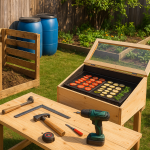
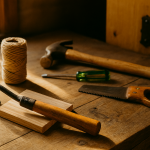
One of the most overlooked beginner-friendly backyard gardening tips is making sure you have the right tools from day one. You don’t need a shed full of gear or a wheelbarrow that costs more than your first car — just a few essentials that make gardening easier, not harder.
Start with a sturdy hand trowel, a pair of comfortable gardening gloves (your knuckles will thank you), and a small pruning snip for trimming herbs and overachieving tomato branches. A simple watering wand or hose attachment helps you water gently without blasting seedlings into the neighbor’s yard.
Having dependable basics keeps frustration low and your enthusiasm high — which is key when you’re learning the ropes. As your garden grows, you can add more tools, but a small, well-chosen kit is more than enough to begin your backyard gardening journey with confidence.
Recommended Tools:
- Stainless Steel Hand Trowel (affiliate link)
- Comfortable Gardening Gloves (affiliate link)
- Soft-Flow Watering Wand (affiliate link)
Final Thoughts
Your garden doesn’t have to be perfect — it just has to get started. With the right setup, a few easygoing plants, the right tools, and consistent care, you’ll be amazed at how quickly your backyard transforms into your favorite part of your homestead.
8 responses to “5 Beginner-Friendly Gardening Tips for Your Backyard”
Love how practical these tips are! Starting small sounds smart—I’ve learned the hard way that over-ambition leads to a jungle you can’t escape. Time to grow my green thumb one plant at a time!
I hear you on the accidental backyard jungle — I’ve wandered into a few of those myself and barely made it out without a machete. Starting small really does save a lot of sanity (and lost garden tools). One plant at a time is the perfect strategy… and before you know it, you’ll look back and wonder when you became the neighborhood garden whisperer!
I love how simple and approachable these tips are! As someone just starting out, it’s so helpful to be reminded to start small and not get overwhelmed. Can’t wait to try a few of these in my own backyard—especially the raised bed idea. Thanks for sharing such beginner-friendly backyard gardening tips!
Thanks for taking a moment to share your thoughts — I truly appreciate it!
These tips are exactly what I needed. I was five minutes away from planting enough veggies to feed a small village. Starting small sounds way less… chaotic. Here’s hoping my plants survive longer than my New Year’s resolutions!
Thank you so much for your comment! I really appreciate you taking the time to share your experience.
I tried following these tips this spring, and let me tell you—my backyard has never looked less like a chaotic jungle and more like an actual garden. I started with the “pick the right spot” advice, which immediately spared my tomatoes from their usual life of suffering in the shade. Then came the “start small” part… which I thought I understood, until I realized that four raised beds is apparently not considered “small” by normal human standards.
Still, everything actually grew this time. My lettuce didn’t bolt out of pure spite, and even my herbs behaved like they actually wanted to be alive. The watering schedule tip alone saved me from my annual tradition of drowning my cucumbers like I’m baptizing them.
Overall, these beginner tips turned my backyard into a place I’m proud of instead of a witness protection program for plants. Highly recommend giving them a go!
Zoe from Tennessee
I’m so glad the tips helped! And honestly, four raised beds absolutely count as starting small… at least that’s what I tell myself every time I “accidentally” expand my garden. Sounds like you gave your plants exactly what they needed this year—sun, space, and a gardener who’s not trying to overwater them into sainthood.
Your description of the tomatoes escaping the shade life made me laugh, mostly because mine used to suffer the same fate before I learned to stop planting them where my shed blocks the sun like an overprotective parent. Here’s to more thriving veggies and fewer dramatic cucumbers next season!